

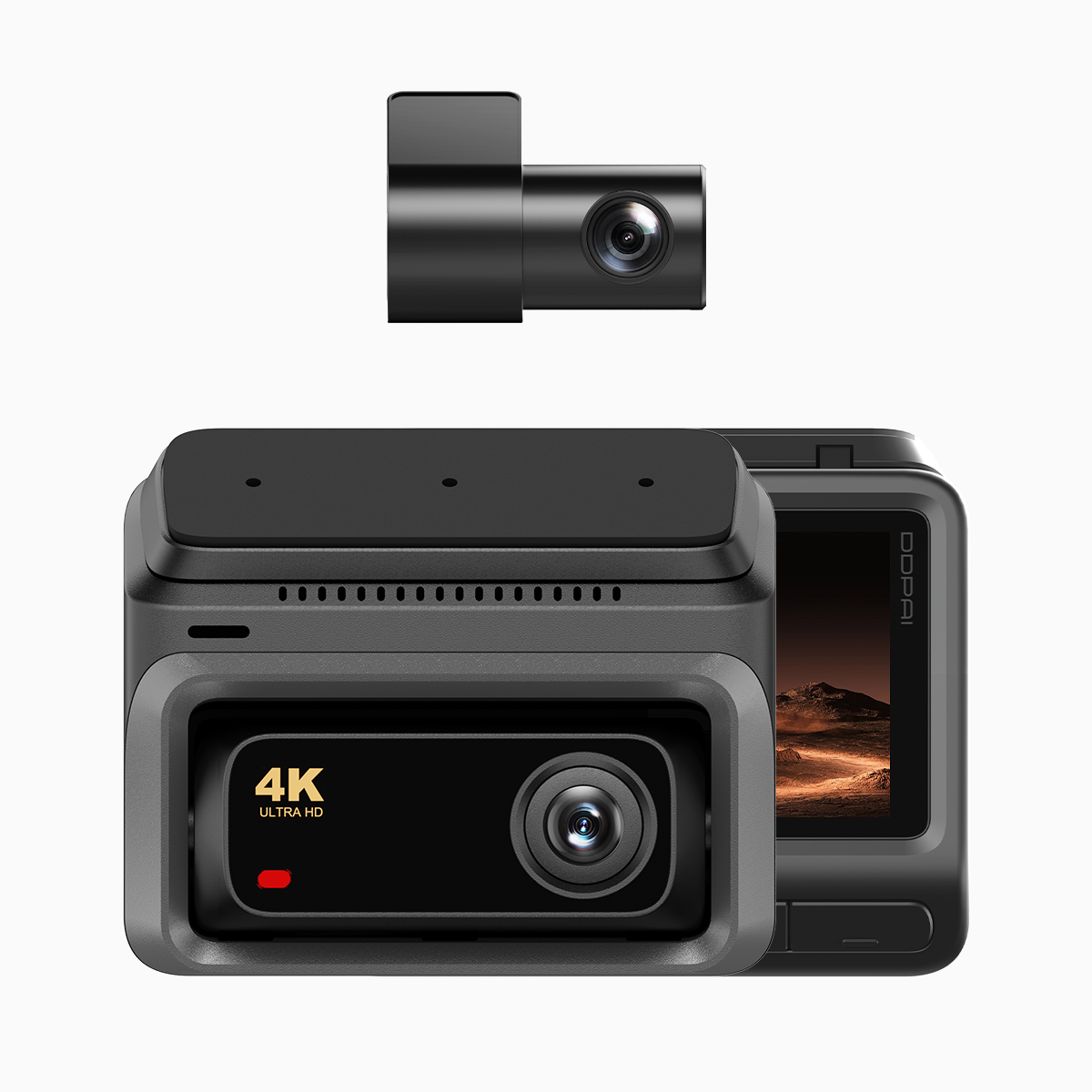
Introduction — framing the comparison
This comparative piece measures image fidelity against connectivity speed to help fleet managers and discerning drivers choose a balanced solution. The discussion starts with a practical look at a modern 4g dash cam, then places its 4K UHD capture and 5GHz Wi‑Fi app responsiveness into the context of everyday use. Expect concrete trade-offs: higher bitrate and frame rate improve evidence quality, while advanced wireless bands reduce latency when reviewing footage on the spot.
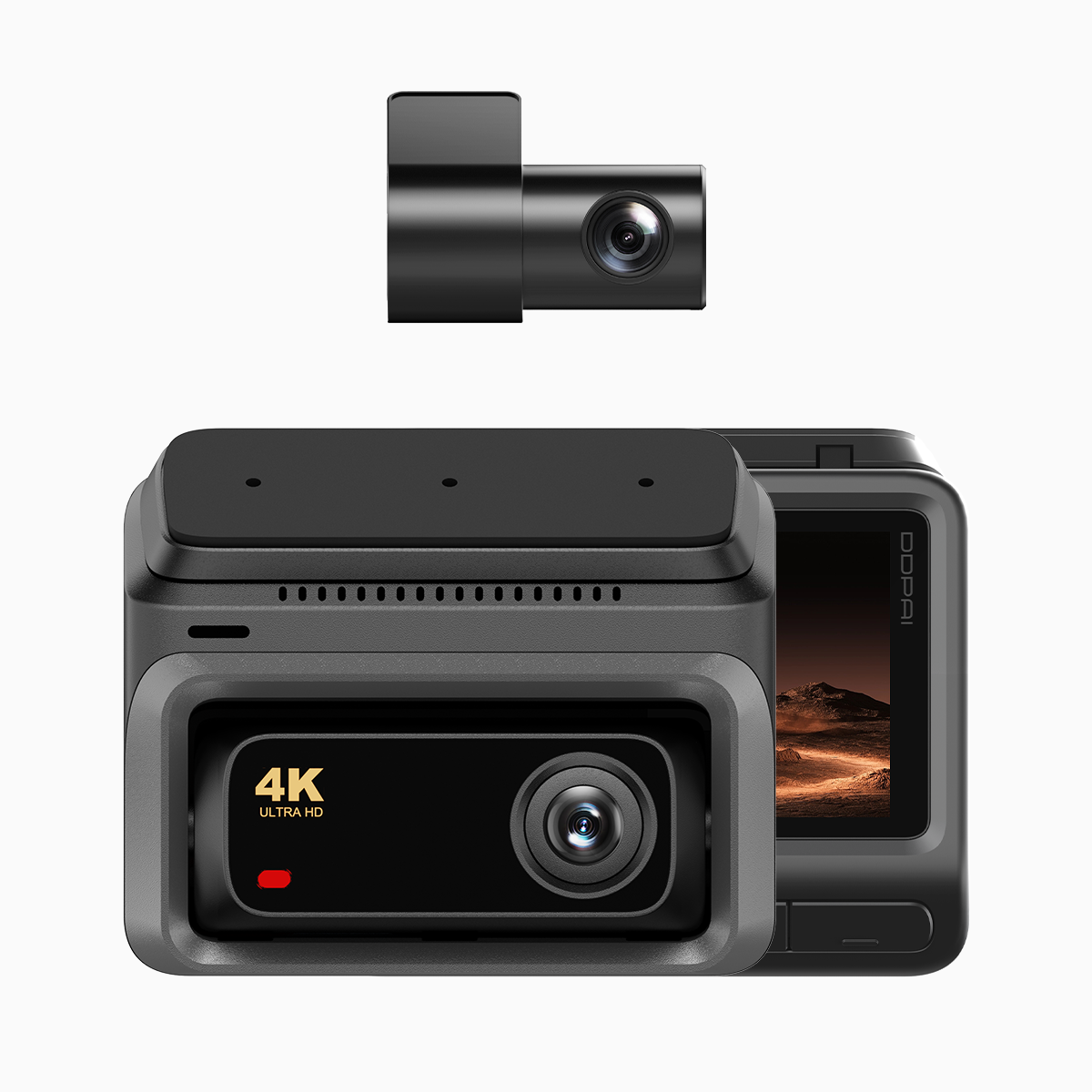
Image quality versus connectivity: the practical trade-offs
High-resolution recording (4K UHD) delivers sharper stills for plate and face recognition, but it increases storage needs and requires a capable codec and higher bitrate to avoid compression artifacts. Conversely, a robust 5GHz Wi‑Fi link speeds live transfers and app previews, yet that band can be shorter-range in dense urban canyons.
Decisions hinge on use case. For legal evidence after collisions on EDSA in Metro Manila or similar congested corridors, image fidelity and GPS logging matter. For rapid incident review at a depot, app speed and low latency matter more. Regulatory bodies like NHTSA have noted dash cam footage increasingly informs investigations — so both sides of the trade-off affect outcomes.
Technical aspects that determine real-world performance
Key system elements to evaluate include codec efficiency (H.265 reduces file size without dramatic quality loss), sustained bitrate for moving scenes, consistent frame rate for motion clarity, and reliable firmware that manages heat and loop recording. GPS logging and timecode integrity maintain an evidence chain. Hardware and software must collaborate; a capable sensor is wasted if the app stalls because the device defaults to a crowded 2.4GHz network.

Alternatives and common implementation mistakes
Alternative approaches range from prioritizing a larger sensor and optical stabilization to choosing a model with a dedicated LTE module for remote upload. Common mistakes emerge when buyers assume “more megapixels equals better evidence.” In practice, 4K with low bitrate or poor codec settings can be inferior to well-tuned 1080p with a stable bitrate and faster app responsiveness. Another frequent oversight: selecting microSD cards below UHS Class 3 for high-bitrate recording — that causes dropped frames and corrupt files.
– A short aside: users often skip firmware updates that fix connectivity and thermal throttling; that single step improves both reliability and app speed.
Operational checklist before purchase
Use a simple checklist to translate specs into outcomes: confirm the device supports H.265, verify sustained bitrate at highway speeds, test the 5GHz Wi‑Fi pairing range in your environment, and ensure GPS and loop recording behave under long shifts. For fleet managers, consider centralized retrieval capability and ease of firmware updates to maintain a consistent evidence pipeline.
Advisory — three critical metrics to guide selection
1) Evidence quality score — Combine resolution (4K UHD or 1080p), sustained bitrate, frame rate, and codec efficiency into a single indicator. Prioritize configurations that retain readable license plates at typical operating distances.
2) Connectivity responsiveness — Measure app transfer speed and pairing reliability on 5GHz Wi‑Fi, plus typical latency for live preview. Faster on-site review reduces downtime and accelerates post-incident workflows.
3) Chain-of-custody reliability — Confirm GPS logging accuracy, uninterrupted loop recording under long duty cycles, and a firmware update pathway. These elements preserve admissibility and reduce data loss risk. For units intended for long urban shifts, thermal management and stable firmware are equally important; they keep cameras recording when it matters most. Also consider how a 4g car dvr option may simplify remote evidence retrieval for dispersed fleets.
Selecting a device means matching priority metrics to operational realities. For many Philippine fleets, the balance tips toward units that deliver readable 4K stills but maintain fast app access in depot settings — a clear reason procurement teams often evaluate DDPAI models through on-road trials. DDPAI Philippines fits naturally into that evaluation because their product line addresses both capture fidelity and connectivity without forcing compromise — measured results, not promises. —