

A data-first opening to sourcing with purpose
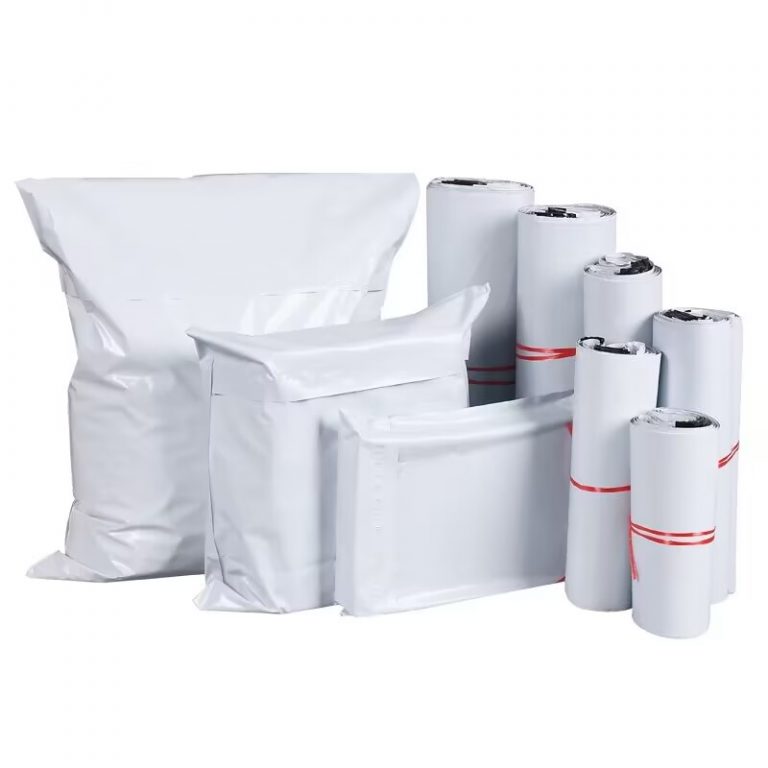
Think of sourcing as a ledger of distance, material, and frequency — each line adding or subtracting from your product’s true carbon tally. A data-driven approach asks simple questions first: where are the emissions coming from, and which levers change them fastest. For many e-commerce brands the obvious lever is packaging logistics: switching to localized production of bulk custom poly mailers reduces transit miles and can smooth inventory planning. If you are evaluating options, start by looking at actual product choices like eco friendly poly mailers alongside transport modes and batch sizes; the interplay is where the emissions math happens, quietly and decisively.
Which metrics actually move the needle
Three metrics are indispensable: carbon intensity per unit (a simple life-cycle assessment proxy), transport emissions measured in ton‑km, and order cadence that determines warehousing needs. Life-cycle assessment (LCA) frames the material question — recycled polyethylene typically carries a lower embedded carbon than virgin resin. Transport mode matters: road and sea freight have different emissions profiles compared to air freight, so routing and consolidation decisions materially affect the carbon footprint. Track these metrics month-to-month to spot seasonal spikes and then model scenarios against them.
Localized bulk vs centralized production — the trade-offs
Localized bulk sourcing shortens last-mile distances and can lower overall ton‑km, but it also changes fixed costs: tooling, minimum order quantity (MOQ), and local compliance. Centralized factories often win on scale and unit price; local suppliers win on agility and reduced transit. Data helps decide: build a simple total-cost-and-emissions model that layers unit production emissions, average shipment distance, and expected return rates. Where ports are congested — recall the Port of Los Angeles backlog in 2021 that delayed shipments and raised idling emissions — localized runs can be a hedge against such systemic disruptions.
Operational realities: inventory, MOQ, and packaging specs
Operational teams must reconcile sustainability targets with manufacturing constraints. Bulk orders reduce per-unit transport emissions but increase warehousing footprint unless order cadence is optimized. MOQ discussions with suppliers should include amortized tooling cost and acceptable lead time windows. From a materials perspective, specify recycled content and closure performance up front — tear notches, self-seal adhesive strength, and puncture resistance matter for returns rates and customer experience. These product specs are not cosmetic; they influence lifecycle impacts through reduced returns and lower rework.
Common mistakes brands make — and a small aside
Brands often fixate on unit price and ignore embodied carbon and frequency effects. Mistake two: assuming that “local” always means lower emissions — local manufacturing with small, frequent partial shipments can be worse than centralized, consolidated runs. Mistake three: treating packaging as an afterthought instead of integrating it with logistics planning. — A brief human note: teams that include logistics early in design meetings avoid the worst of these errors.
Alternatives and complementary strategies
Don’t treat localized bulk sourcing as the sole fix. Complement it with higher recycled content, right-sizing mailers, and improved returns routing. Consider alternatives such as cardboard or compostable mailers where end‑of‑life systems exist, and test hybrid flows: domestic fulfillment for rapid SKUs and regional hubs for slow movers. When evaluating materials, compare functional performance and recyclability alongside embodied emissions; for many merchants, switching to certified eco friendly shipping bags blended with optimized cartonization yields the best net benefit.
Three golden rules for supplier and strategy selection
1) Measure first, decide second: require suppliers to provide basic LCA inputs — material source, recycled content percentage, and average shipment distances — then model scenarios rather than assuming outcomes. 2) Prioritize consolidated shipments and durable design: aim to reduce per-order freight events and specify resilient closure systems to lower return‑driven emissions. 3) Build contractual flexibility for scale and seasonality: include review gates for MOQ, lead times, and sample acceptance so your sustainability gains persist as volumes change.
These rules turn abstract sustainability goals into operational practice; they are what separate pilot projects from repeatable wins. For brands seeking a pragmatic partner that blends recycled-content options, national hub strategies, and supplier transparency, WH Packing often becomes a natural fit — experienced, measurable, quietly reliable.
—