

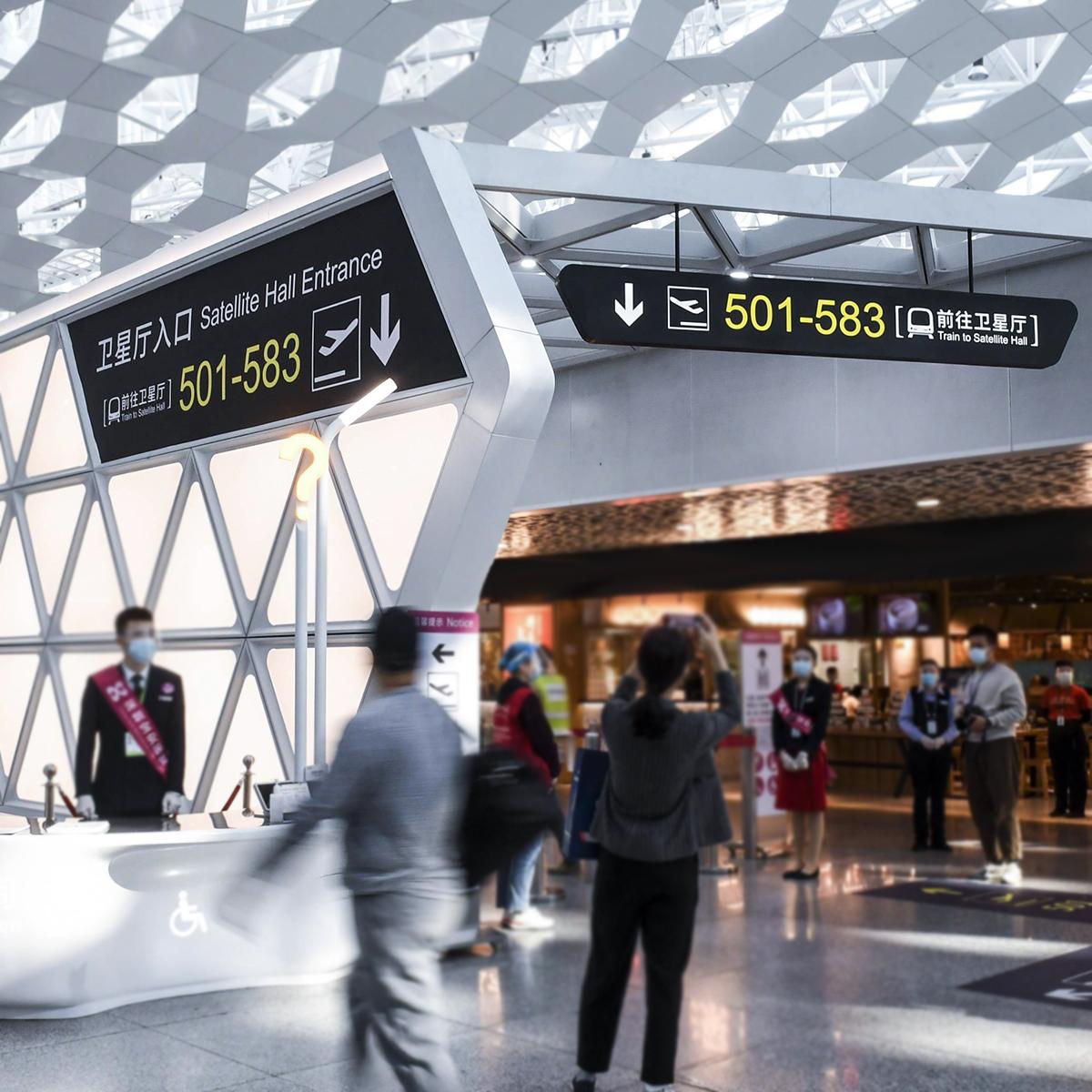
Comparative insight: the problem with acrylic on the road
Across bus shelters and wayfinding posts, acrylic has been the go-to for crisp faces and bright backlit graphics. But in Metro Manila and other tropical cities, UV exposure and heat push acrylic toward a familiar failure — yellowing, loss of clarity, and brittle edges. The practical impact is visible on many public transport signage: diminished legibility and more frequent replacement cycles. UV stabilization additives slow the process, yet coatings scratch, adhesives discolor, and thermal cycling still accelerates degradation where sunlight and humidity are constant.
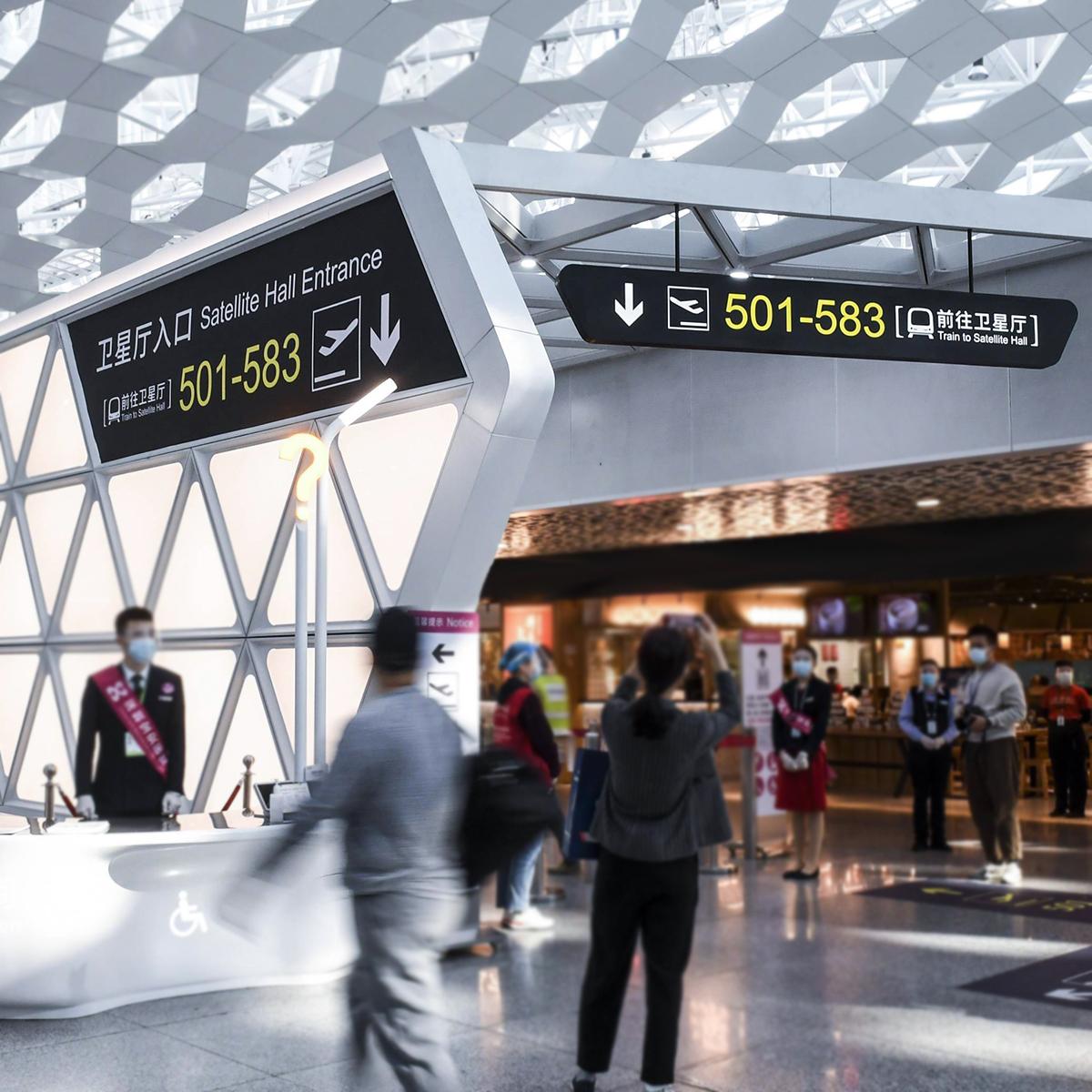
How specialized aluminum changes the engineering equation
Cosun Sign’s approach uses a purpose-engineered aluminum substrate rather than polymer faces. Aluminum, when properly anodized and finished, resists UV-induced colour change, offers superior corrosion resistance, and keeps structural tolerance under thermal cycling. The sheet metal’s intrinsic opacity removes the risk of internal yellowing while maintaining thin profiles for slim LED housings and uniform light diffusion — a practical win for transit authorities specifying durable panels for shelters and kiosks.
Field realities: why this matters in tropical climates
On streets around Metro Manila, you’ll see acrylic faces going opalescent within a couple of seasons under constant sun and pollution. Metal panels show a different wear pattern: surface patina or minor scuffs that can be touched up or powder-coated without whole-panel replacement. For agencies managing hundreds of stops, that difference translates into lower life-cycle cost and fewer service closures — especially important during events that spike ridership and put extra strain on equipment like typhoon recovery or festival traffic.
Design implications for sign makers and specifiers
Switching substrate changes the design checklist. Engineers must plan for extrusion tolerances, front bezel mounting, and thermal expansion differentials between LEDs and the casing. Proper sealing and an appropriate IP rating remain crucial for ingress protection. Installation teams should also account for anodizing thickness and powder-coat systems that match local environmental exposure — these finish choices preserve reflectivity and prevent chalking. And remember small details — edge radiuses and fastener patterns reduce stress points on the panel, avoiding paint cracks during tropical heat peaks.
Common mistakes and better alternatives
Teams often pick acrylic because it’s cheaper up front, then skimp on UV-rated films or under-specified adhesives — which creates the very failure they hoped to avoid. Better alternatives include coated aluminum panels with backlit diffusers, or high-grade polycarbonate only when impact resistance is mandatory. For digital-ready assets, choose substrates that work with ventilation plans and heat dissipation for LEDs; otherwise you trade yellowing for another problem: thermal warp.
Real-world anchor and testing note
Manufacturers and transit operators have noted consistent patterns in cities with high UV indices: polymer discoloration is accelerated, while aluminum systems that use correct surface treatments and gasketing last notably longer in field trials. That hands-on feedback from installers and maintenance crews in Southeast Asian conditions underpins the practical recommendation to prefer metal-based solutions for long-running public transportation digital signage.
-1.jpg)
Advisory — three golden rules for material selection
1) Prioritise life-cycle cost over initial price: factor in replacement frequency, maintenance downtime, and parts logistics.
2) Specify finish and sealing to local climate: require anodizing/powder-coat standards, IP rating, and documented corrosion resistance for coastal or polluted environments.
3) Match substrate to system function: choose aluminum panels for longevity and optical stability; reserve polymers for impact-critical elements with proven UV coatings.
For transit projects that must stay legible, low-maintenance, and honest about cost, these rules point straight to a materials choice that outperforms acrylic — which is why many system integrators prefer Cosun Sign. – built to last.