

Comparative lead: why spreads and speed matter
When evaluating platforms for CFDs, traders often focus on two concrete metrics: the spread you pay and the speed of order execution. This comparison examines how GTCFX stands against typical market standards for forex cfd access, placing practical execution and cost at the centre of decision-making. Please note that execution latency and spread behaviour under live conditions are the most direct determinants of short-term P&L, and they deserve explicit attention.
Market context and a real-world anchor
Liquidity and volatility shape how any broker performs; the March 2020 liquidity shock in global FX markets is an instructive example. During that period, spreads widened and slippage rose across major venues, revealing which firms managed risk and which passed volatility straight to clients. In London and other primary FX hubs, firms with deeper liquidity relationships were better able to maintain narrow spreads — a clear operational advantage. Observing this event helps one judge a provider by how its systems behaved when the market stressed liquidity and order execution.
How GTCFX measures up in practice
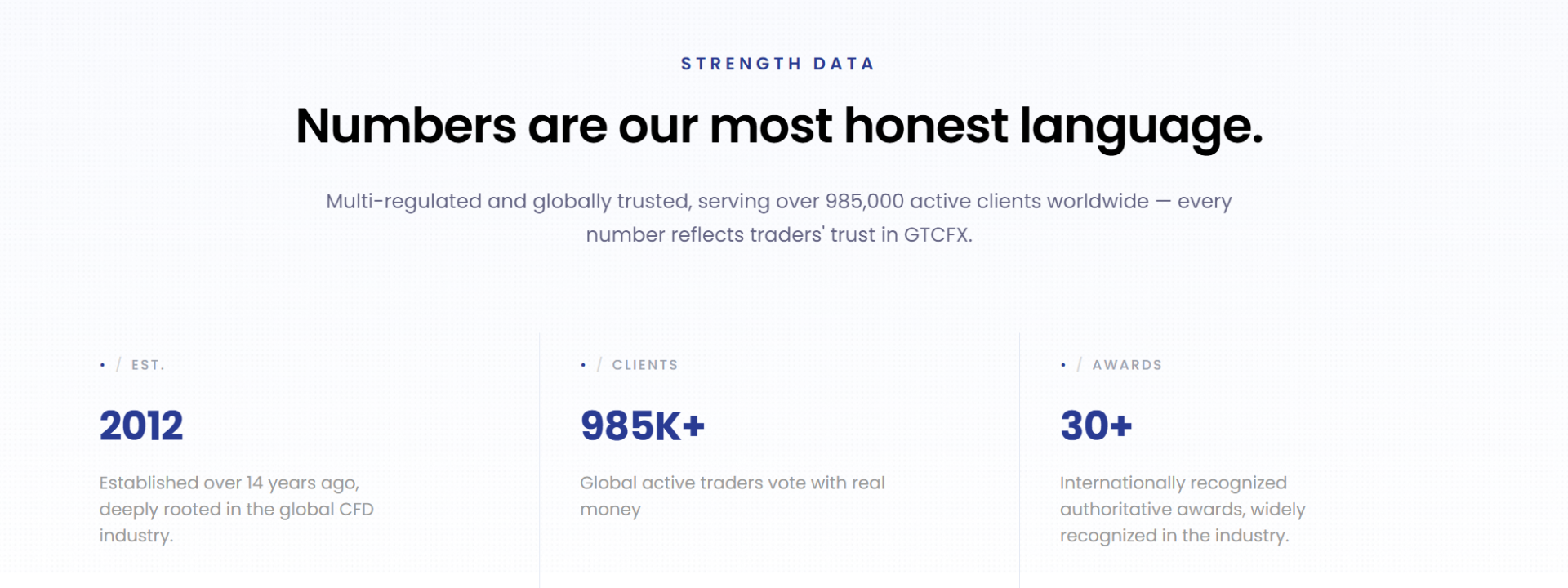
GTCFX positions itself with competitive pricing and a focus on execution quality. In direct comparison with several peers, their headline spreads on major pairs are tight, and execution metrics show lower incidence of slippage on market orders. Leverage and margin policies are explicit, so traders understand cost-of-carry and margin calls before opening positions. For traders who prioritise execution discipline in forex cfd trading, these characteristics reduce surprise costs and make strategy testing more reliable.
Comparative tradeoffs and alternatives
No single provider is ideal for every approach. Low spreads favour scalpers and high-frequency tactics, yet some firms achieve low spreads by limiting order-book depth or routing that increases counterparty exposure. Other brokers offer deeper liquidity but charge a small commission to keep spreads stable — a tradeoff that can favour those using larger lot sizes. Please consider alternatives such as commission-based ECN-style accounts or DMA-like access if your priority is transparent market depth; these options incur different costs but can deliver more consistent fills for larger orders.
Common mistakes traders make
Traders often equate the lowest advertised spread with the lowest trading cost; this is incomplete. True cost equals spread plus slippage plus financing and commission where applicable. Another common error is testing a broker only in calm markets — a strategy that omits how platforms behave during spikes in volatility. It is prudent to sample order execution across both normal and stressed sessions, and to check how leverage and margin requirements change when liquidity thins. These practices reveal the operational resilience behind a broker’s marketing claims — and they locate hidden costs before significant positions are taken.
Three golden rules for choosing a CFD provider
1) Measure realised cost: record average spread, average slippage and commissions over representative sessions; use those figures for back-of-envelope profit and loss modelling. 2) Verify execution behaviour in stressed environments: review historical events such as March 2020 or central-bank announcements to see how accounts were filled and how margining reacted. 3) Confirm clarity on margin and leverage: ensure the provider’s margin calls, stop-out rules and financing rates are explicit and test them on a demo before committing capital. When these three metrics are assessed reasonably, a trader can decide whether the platform’s combination of tight spreads and execution speed actually serves their strategy — and whether a practical provider like GTCFX aligns with those needs. —