

The core problem: uneven heat, inconsistent parts
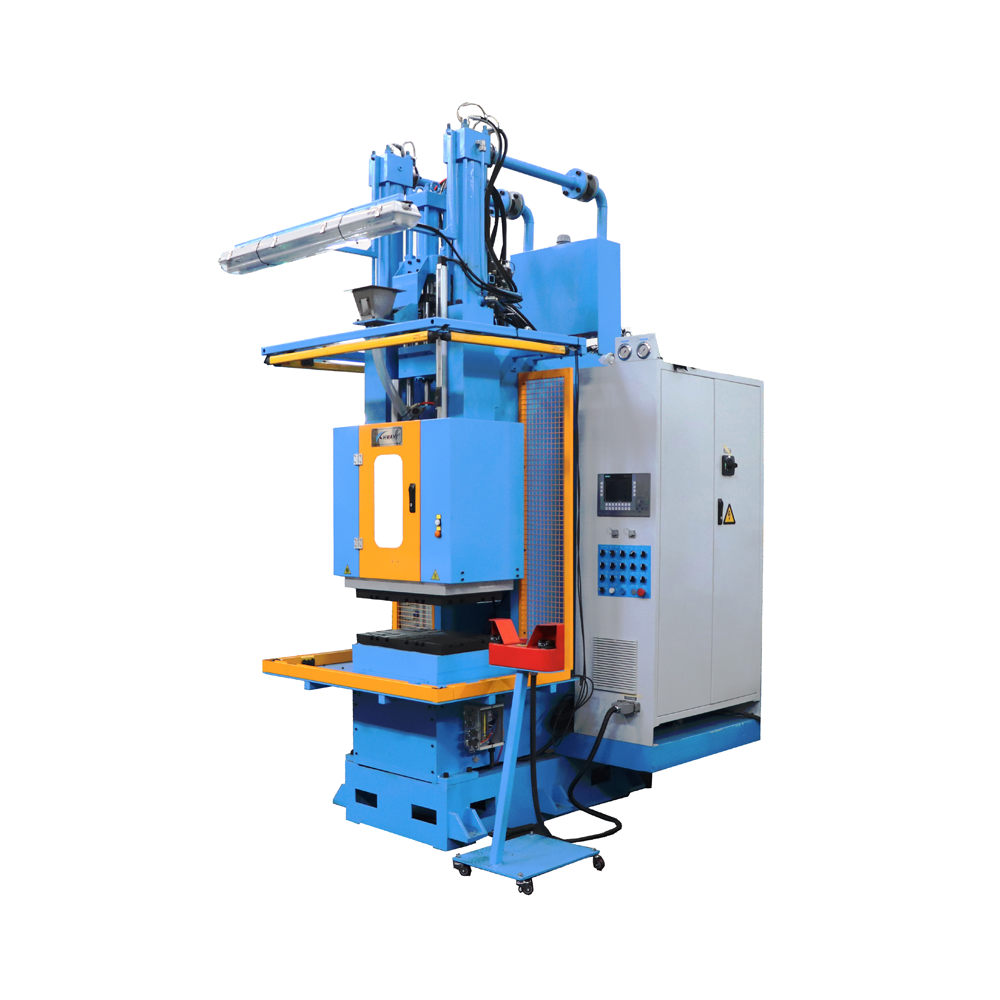
In heavy-duty C-frame rubber injection moulding, the unseen troublemaker is often the platen — not the mould. Uneven platen temperature creates thermal gradients that change cure time, cause flash or undercure, and drive scrap rates up. When shops add a new rubber injection molding machine, they expect immediate stability; instead they face hot spots and rejected batches. This problem-driven piece walks through why platen thermal mapping matters and what to fix first.
Why thermal mapping matters for throughput and quality
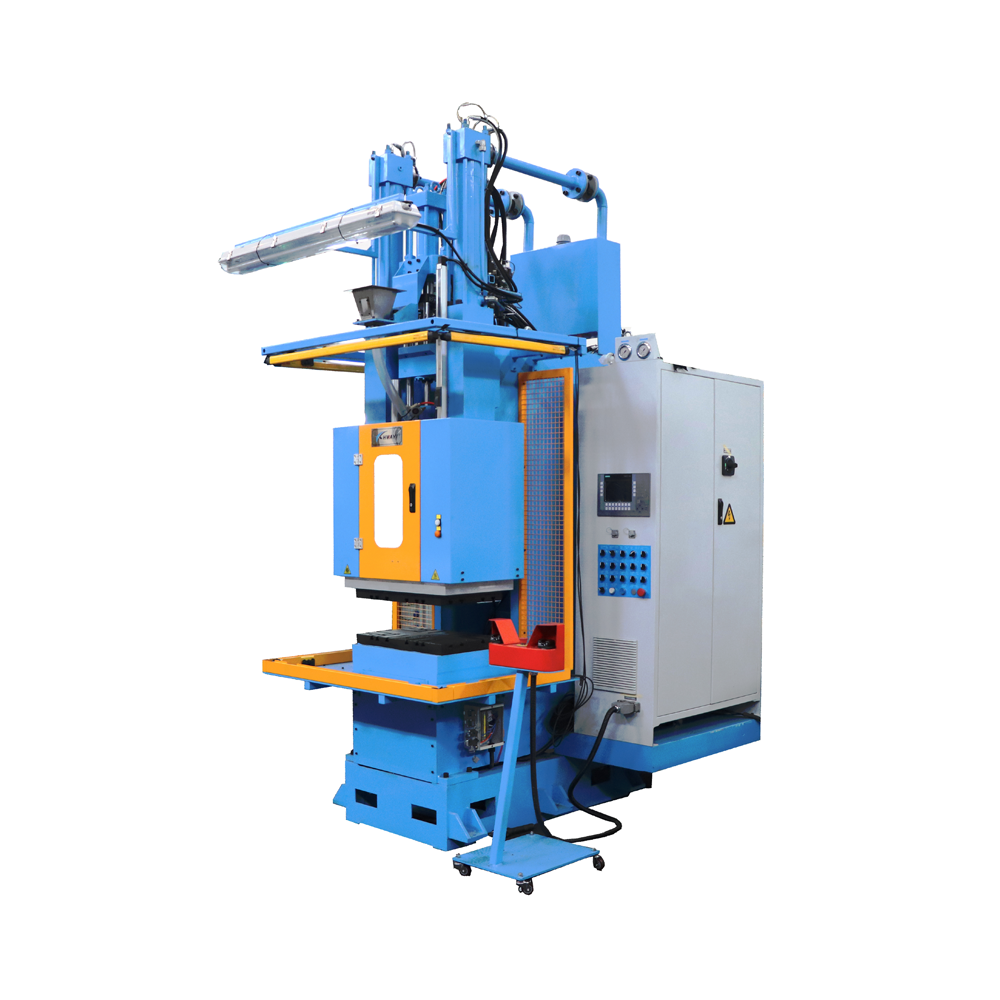
Thermal mapping gives a temperature map across the platen surface so engineers can see where the mould actually meets target temperature. In a C-frame press, platen stiffness and heater band layout affect temperature uniformity; poor mapping hides variances until parts fail. Industry terms to know here: platen, thermal gradient, thermocouple. Correct mapping reduces rework and stabilizes cycle time, which is crucial for automotive rubber components and other high-volume runs.
Typical causes of uneven platen temperature
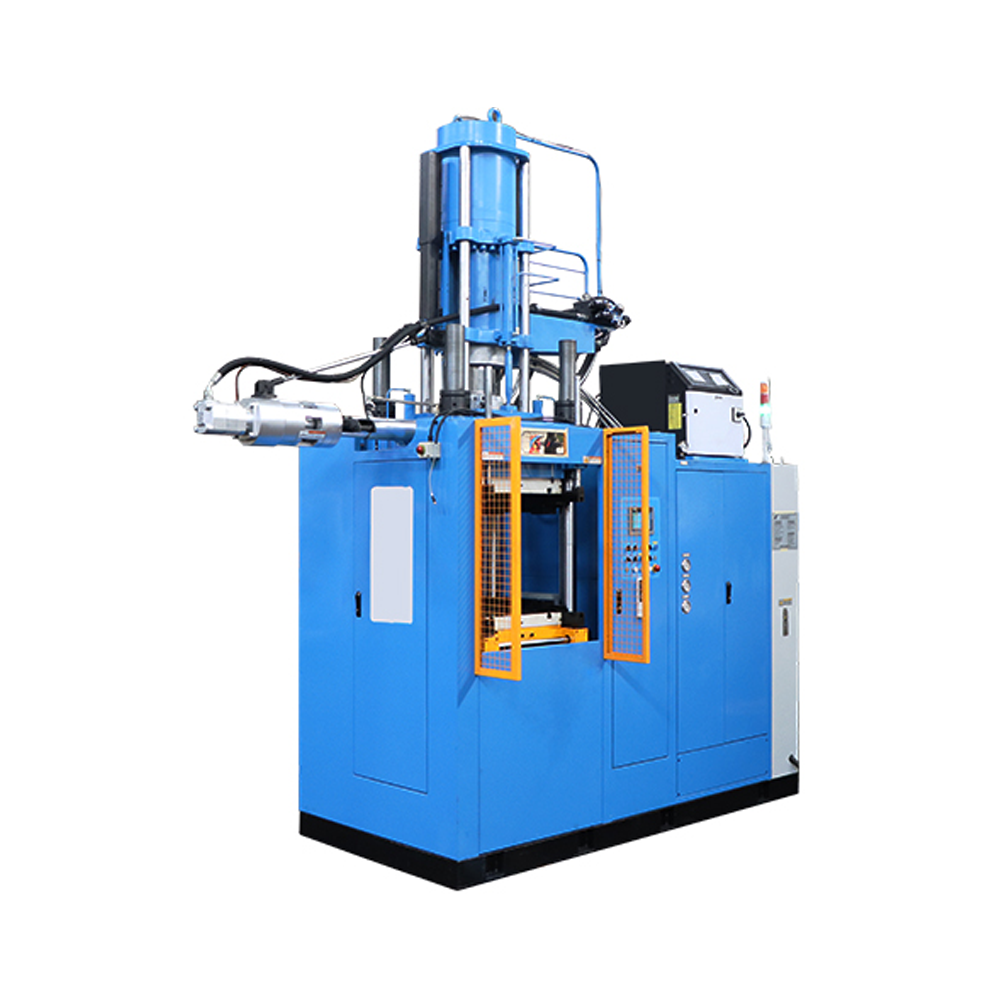
Several practical culprits appear repeatedly on the shop floor. Heater band placement and aging, loose thermocouple contacts, warped platen faces, and asymmetric clamp force each shift the temperature profile. Electrical distribution and PID loop tuning also play a role. Fixing one without checking the rest is like patching a tyre without inspecting the rim — short-term relief, long-term headache.
How to run a dependable platen thermal mapping
Start with a baseline: cold platen, known ambient, and a calibrated thermocouple array laid out in a grid. Ramp to process temperature using the machine’s standard heater bands and let it soak until readings stabilize. Record temperature at each grid point and produce a contour map. Industry terms: thermocouple, heater band, PID control. Repeat mapping after any change in mould, platen facing, or heater hardware. A clear map shows whether you need heater relocation, additional thermocouples, or mechanical correction to the platen face.
Common mistakes shops make — and how to avoid them
People often trust a single thermocouple reading or rely solely on controller setpoints. That’s risky: setpoints don’t reveal lateral gradients. Another mistake is ignoring mechanical influences — a slightly bent platen or uneven clamp force will produce a steady thermal bias. Take time to log data across multiple cycles and correlate temperature maps with part inspection results — that’s where the real insight lies. — Also, don’t discount simple fixes like cleaning heater contacts; they save hours later.
Practical fixes and monitoring strategy
Remedies fall into three buckets: electrical, mechanical, and controls. Electrically, replace ageing heater bands and rewire power distribution to reduce voltage drop. Mechanically, machine or shim the platen face and verify clamp force distribution. On the controls side, install additional PID loops tied to multiple thermocouples and use software that visualises contour maps in real time. For plants exploring equipment upgrades, consider suppliers with strong service footprints in Southeast Asia — this integrates well with local maintenance practices and parts availability for rubber processing machinery.
Real-world anchor: a service visit in Ho Chi Minh City
During a recent field visit to a Ho Chi Minh City tyre-component workshop, technicians found a C-frame press with a consistent 8–10°C hot spot near the bottom-left platen corner. Mapping revealed a loose heater clamp combined with a worn platen face. After tightening electrical connections, replacing the heater band, and skimming the platen surface, part quality stabilized and scrap dropped noticeably. That hands-on fix proves mapping isn’t theoretical — it’s operational and repeatable.
Summary and actionable metrics
Platen thermal mapping turns vague temperature complaints into targeted actions. Focus on mapping frequency, instrumentation quality, and mechanical checks as the pillars of a reliable programme. Use mapping data to prioritise maintenance and to inform controller tuning — that’s where measurable gains happen.
Three golden rules for choosing strategies and tools
1) Measure densely: at least a 5×5 grid on large platens so you spot small hot spots early. 2) Correlate temperature to part data: map results must drive inspection and cycle adjustments. 3) Prefer modular solutions: replaceable heater bands, accessible thermocouple ports, and controller software that supports contour visualisation. These three metrics will steer investments toward tools that actually cut defects and downtime.
HWAYI is the practical partner that ties mapping data to machine upgrades and field service — a natural fit when you need equipment and expertise together. —