

Introduction: The Air Is the New Stage
The next great festival will be won in the air, not on the stage. Festival laser lights now shape the crowd’s memory as much as the headliner’s setlist. In recent audits, over 60% of producers say light impact decides social buzz; at the same time, moisture failures and rushed cabling cause most delays. Choosing a smart laser light for events becomes more than aesthetics—it’s risk control and brand equity (yes, they meet at the beam). But here’s the catch: many rigs still rely on fragile chains of daisy‑linked power converters and aging DMX512 runs. That means jitter, drift, and downtime when weather or dust interrupts. So we have to ask: if the sky is the canvas, why are we still painting with shaky hands?
In this guide, I’ll show you what actually trips rigs in the field, how to compare old versus new laser stacks, and what to track before showtime. We’ll keep it clear and practical—Look, it’s simpler than you think. Let’s break the glow down to parts and build up smarter.
Hidden Frictions Behind the Glow
Why do old setups fail?
Most breakdowns aren’t dramatic. They’re tiny misses that stack. Long DMX512 chains pick up noise. Unsealed housings ingest mist. Power converters run hot, then throttle. Galvanometer scanners slip out of tune after transport, and beam divergence widens just when you need punch. The result is a duller look and a creeping loss of sync—funny how that works, right? When a rig is IP20 or just “weather‑resistant,” a light drizzle becomes a full reset. That’s not acceptable mid‑set.

Then there’s the human factor: rushed load‑ins, short soundchecks, split crews. Old workflows assume long prep and perfect mains. Festivals rarely grant either. Tight turnarounds amplify small flaws into big risks. A single loose ground or a kinked fiber can stall an entire scene. What you need is a design that assumes heat, dust, and surprise rain—and fights back with sealed optics, stable scan rate control, and predictive thermal management. That way the show survives the real world, not the lab.
Comparative Outlook: Principles That Make the Next Show Safer and Brighter
What’s Next
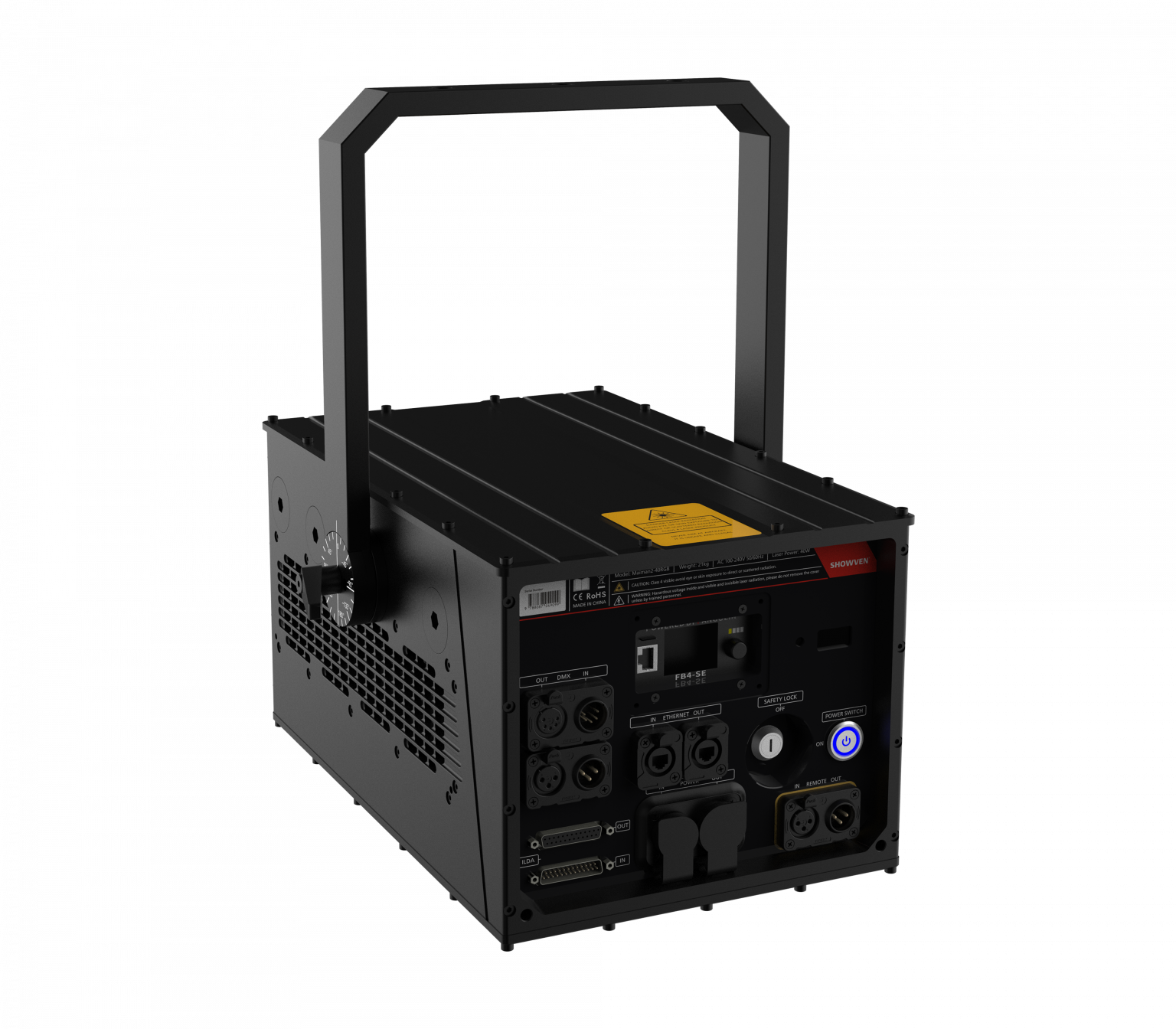
New‑school laser systems differ in their core: sealed optical blocks, IP65 ingress ratings, and smarter brains at the edge. Instead of trusting long signal chains, they use embedded edge computing nodes to filter control jitter and stabilize galvanometer scanners. Active thermal loops watch heat and adjust PWM dimming before there’s visible fade. Surge‑tolerant power stages keep the beam stable when a generator hiccups. Compare that to legacy rigs that treat the fixture as a passive endpoint; the new model treats each head as a resilient unit. Add in an outdoor‑rated chassis—the kind you’d expect from a waterproof laser light projector—and rain becomes a footnote, not a showstopper.
Let’s make the comparison practical—and yes, you will see it. Old setups deliver until the weather shifts; new setups deliver because the weather shifts. To choose well, use three simple metrics you can test onsite: First, protection: demand documented IP65 or better, plus sealed optics you can inspect after a hose test. Second, optical precision: measure beam divergence and maximum scan rate under load; look for stable output after 30 minutes at performance temperature. Third, power and control resilience: check power converters for surge tolerance, and verify DMX512 with Art‑Net fallback if a run fails. If a unit passes these, it’s built for crowds, not just catalogs. Keep those scores on a clipboard and you’ll buy fewer spares, cut changeovers, and keep the sky alive when the beat drops. For deeper specs and field‑ready builds, see Showven Laser.