

Lead: Why this comparison matters now
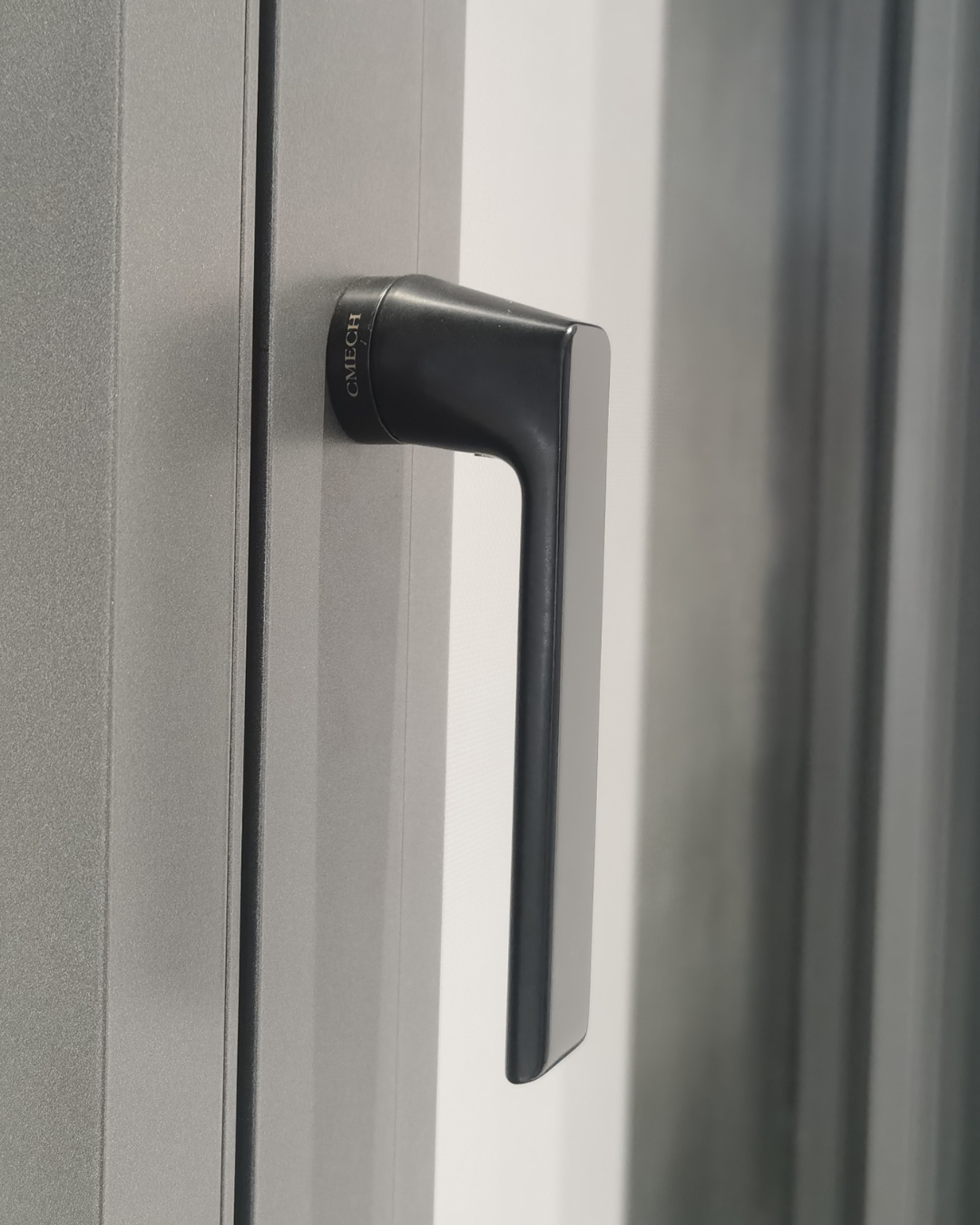
Homes in many climates face the same tug-of-war: reduce drafts and keep the house comfy without overworking the HVAC. This comparative insight looks at tilt-and-turn and inswing casement designs through the lens of weatherstripping performance, sash design, and long-term maintenance. I also check practical parts—like the role of a good window handle—because a tight lock and quality hardware influence air infiltration and seal compression, sawa?
How each design seals: a simple breakdown
Tilt-and-turn windows use perimeter seals and compression gaskets that press the sash into the frame when closed. That compression reduces air leakage and helps lower the U-factor of the assembly. Inswing casement windows swing inside on hinges and rely on multi-point weatherstripping and a robust strike to maintain seal integrity. In plain terms: tilt-and-turn tends to create uniform compression; casement needs precise hinge alignment and continuous gasket contact.
Real-world anchor: what the numbers tell us
Energy.gov notes windows can account for about 25–30% of residential heating and cooling loss—so small differences matter. In practical retrofit work, I’ve seen properly weatherstripped tilt-and-turn units reduce perceptible drafts faster than older casements with worn gaskets. Yet an updated inswing casement with continuous bulb seals and good glazing can match performance—provided the sash meets the frame squarely and the hinge torque is set right.
Common performance pain points — and quick fixes
Both types suffer from similar failure modes: degraded weatherstripping, loose hinges, and misaligned strikes. For casements, minutes of hinge adjustment can restore contact pressure; for tilt-and-turn, replacing the compression gasket is often the cure. Also remember hardware matters — quality door and window handles and robust locking cams ensure the sash draws tight to the frame. Small parts make big difference — like a kayo in chess.
Comparing maintenance, retrofit, and lifecycle cost
Tilt-and-turns typically require less frequent hinge adjustment but can need full-gasket replacement every decade in harsh climates. Casements allow easier field adjustments but demand regular checks of hinge pins and strike alignment. From a lifecycle view: initial cost for tilt-and-turn may be higher, but predictable gasket wear makes budgeting easier. Casements may cost less up front but can incur labor costs if alignment drifts.
When alternatives win: fitting the building and the user
Choose based on use case. In tight urban flats where ventilation control and security are critical, tilt-and-turn offers dual-mode operation and stronger compression seals. For larger openings or where outward aesthetics prefer an inward swing, inswing casement with continuous bulb weatherstripping and stainless hinges can be equally efficient. Also, glazing choices and frame insulation often move the needle more than small differences in sash type.
Operational teardown — practical checks on-site
Inspect the gasket for compression set, measure for visible gaps at sash corners, and test for consistent contact along the perimeter. Listen: a whisper test or smoke pencil can reveal edge leakage better than a tape measure. Note the U-factor labeling and check for proper glazing edge sealing; those details tell you if the window will hold temperature over seasons. For teams, having a standard checklist saves headaches—start with hinge torque, then gasket compression, then latch strike depth.
Advisory: three golden metrics to choose by
1) Measured air infiltration (cfm/ft²) at a standard test pressure — this is the best proxy for real-world draft control. 2) Compression uniformity across the sash perimeter — consistent compression beats spotty contact every time. 3) Ease and precision of field adjustment — lower long-term labor means lower lifecycle cost. Use these metrics to compare models and to evaluate retrofit value.
Final word: measure performance, pick hardware that keeps the sash tight, and prioritize a tested seal over marketing claims—make the decision local and practical. CMECH. –