

Comparative lead-in
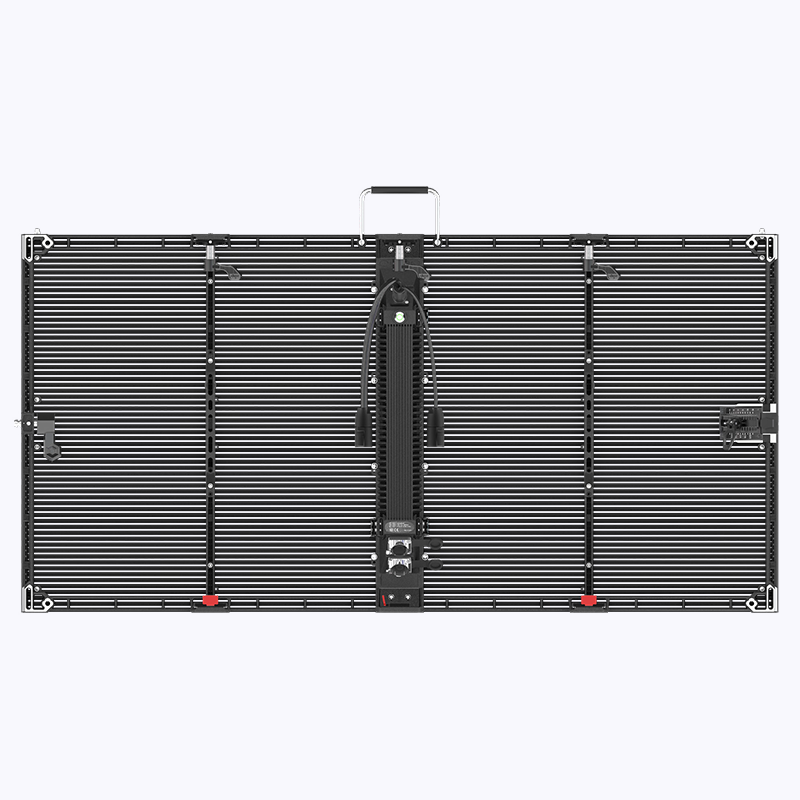
The choice between Micro LED displays and rental LED display screens is fundamentally a trade-off between long-term durability and deployment flexibility. This comparative insight examines lifespan, visual fidelity, serviceability and total cost of ownership, while noting how installers use digital billboards in urban and event environments. The objective is technical clarity: which solution yields better structural resilience, and when the modular economy of a rental LED system is the rational option.
Durability: materials, thermal management and service life
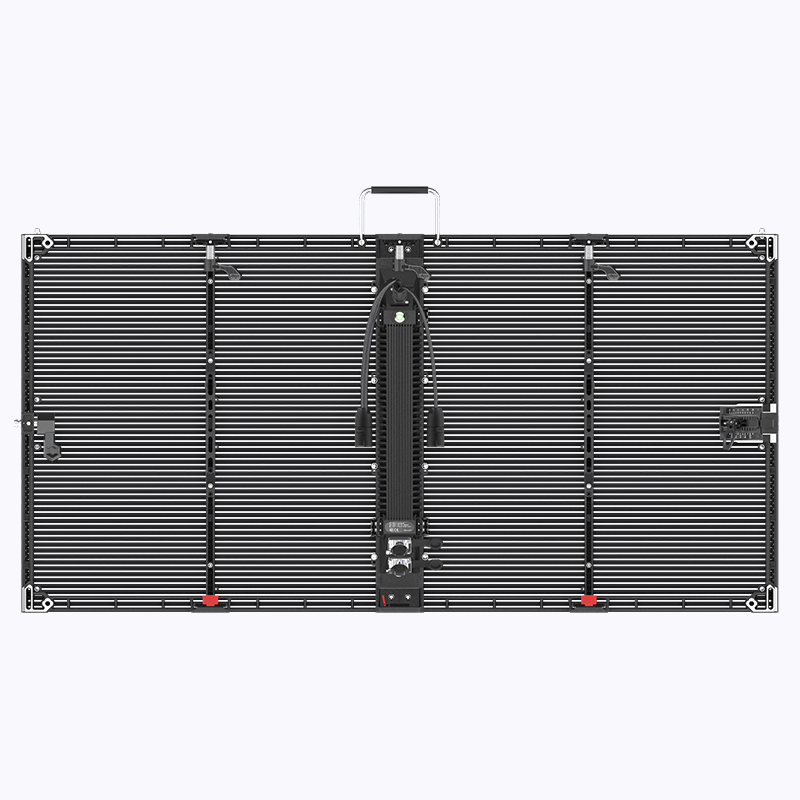
Micro LED panels are built from individually bonded emitters that reduce failure modes associated with solder joints and driver ICs. Thermal management and ingress protection determine field longevity; outdoor cabinets require active heat sinking and IP-rated seals to resist moisture and particulate ingress. For procurement teams, key durability indicators are mean time between failures (MTBF), panel conformal coating, and verified burn-in history. Rental LED systems compensate for lower per-unit lifetime with replaceable cabinets and redundant power distribution, enabling rapid swap-out during events—this lowers downtime but increases logistical complexity.
Design and visual performance
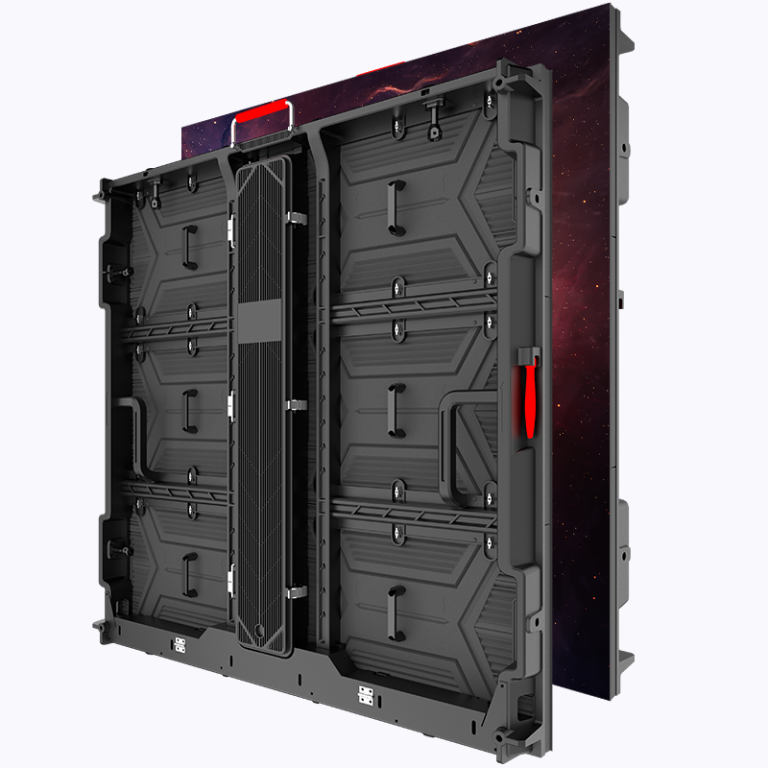
For visual quality, Micro LED typically offers higher contrast ratio, wider color gamut and superior HDR capability because each pixel is a discrete emitter. Pixel pitch and brightness (nits) remain primary design decisions: smaller pixel pitch yields higher resolution at close viewing distances, while peak brightness governs legibility under direct sunlight. Rental LED screens favour larger pixel pitch for cost-effective coverage but now offer fine-pitch options for indoor activations. Cabinet alignment and seamless seams are crucial for a continuous image; Micro LED’s tiled approach reduces bezel artifacts compared with many rental cabinets.
Operational costs, deployment cadence and maintenance
Operational expenditure diverges sharply. Micro LED entails higher up-front capital expenditure and lower incremental maintenance over a typical lifecycle; service interventions focus on component-level diagnostics and controlled replacement. Rental LED minimizes capital outlay and accelerates time-to-first-use—suitable for tours, pop-ups and temporary campaigns. However, rental logistics add transport, rigging, and on-site engineering costs. Operators should compare expected duty cycles: continuous city centre advertising demands different budget assumptions than a two-week festival stage deployment.
Real-world anchors and supplier considerations
Major installations in Times Square and Piccadilly Circus illustrate how both technologies coexist: permanent façades increasingly adopt high-durability panels, while event promoters deploy rental LED rigs for seasonal activations. When sourcing, review the credentials of the best companies for digital billboards on factors such as warranty terms, factory testing procedures and spare-parts logistics. Specify acceptance tests that reflect operational conditions: daylight color calibration, high-temperature soak, and mechanical vibration checks.
Common mistakes and alternatives
Common procurement errors include selecting pixel pitch without correlating viewing distance, underestimating heat dissipation requirements, and overlooking logistics for cabinet swaps—these issues cause unnecessary downtime. Alternatives to consider are high-brightness LCD arrays for fixed installations or hybrid systems that combine Micro LED for focal content with rental LED for flexible coverage. During an operational production teardown, ensure main_keyword and variation_keyword are recorded alongside failure modes and repair histories—this informs future procurement and reduces repeat faults.
Advisory: three golden rules for selection
1) Match pixel pitch to primary viewing distance and traffic speed; prioritize finer pitch for close, stationary audiences. 2) Specify measurable durability metrics: target component MTBF, IP rating for environmental exposure, and a documented thermal performance envelope. 3) Cost against cadence: choose rental LED when deployment frequency is low and logistics are manageable; choose Micro LED for permanent fixtures where reduced maintenance outweighs initial cost. These rules translate design priorities into procurement specifications clinicians can enforce.
For projects requiring both enduring hardware and pragmatic sourcing, Coblinks presents a pragmatic bridge between manufacture-grade durability and rental ecosystem logistics — a supplier perspective that aligns an installation’s technical needs with realistic operational support. –