

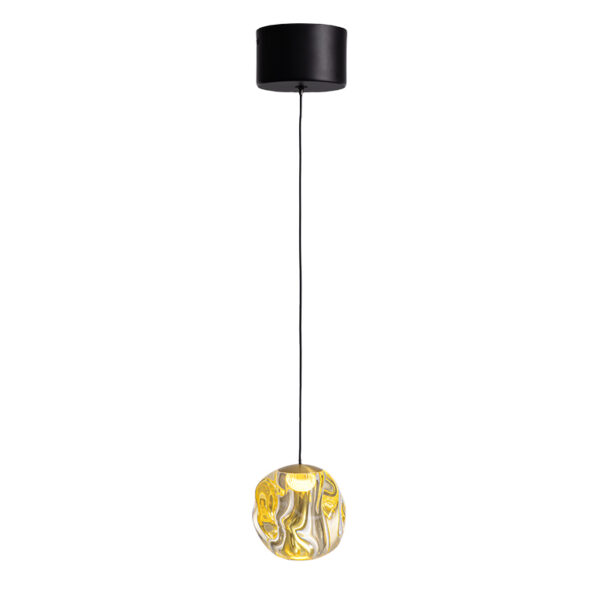
Introduction: A Small Scene, A Big Choice
You walk into a new café at dusk. The room looks fine, yet the light feels flat; colors do not pop, tables look dull, and the vibe is not quite right. The pendant light company the owner picked promised “warm style,” but the shipment split across three dates and the dimming was uneven (a little awkward, ne). Recent surveys show that lighting choices can change dwell time by double digits and cut energy use by up to 30%. So, if one decision can shift mood, cost, and speed, how should you choose wholesale pendant lights without regret? We will compare real project needs against what the market often delivers, then map what to do next. Let us begin with what people miss—and why it matters.
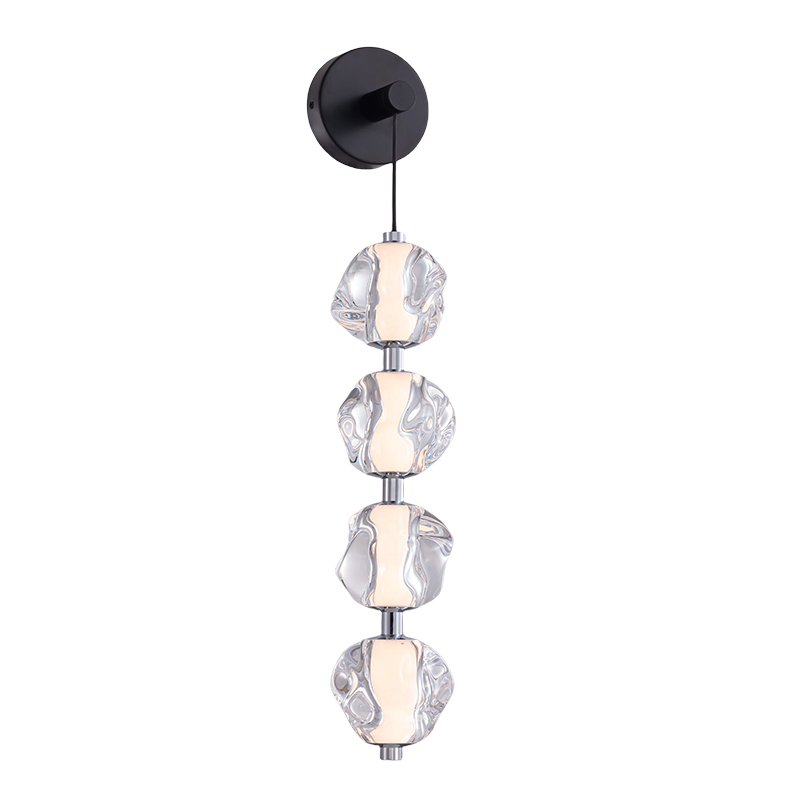
The Part Everyone Forgets: Hidden Friction in Bulk Lighting
Where do projects slip?
Here is the direct view. Traditional buying leans on pretty photos and a low unit price. But pain points hide in the details. Mixed CRI across batches makes wood tones shift from bay to bay. Inconsistent driver topology causes flicker at low dim levels. Lumen maintenance (L70) can vary by vendor, so half the room looks tired first. Thermal management gaps shorten LED life in warm ceilings. And when dimming protocols differ—DALI-2 here, 0–10V there—your control plan fractures. The cost is not just parts; it is rework, site delays, and soft brand damage—funny how that works, right?
Supply chain flow adds more friction. Many vendors do not list power factor correction or surge protection ratings, so panels pass install but fail months later. EMC compliance and IP rating get buried in PDFs. Then there is optics: wide beam angles can cause glare, but UGR targets are seldom stated for pendants. Look, it’s simpler than you think; the flaws are not exotic. They are basic specs, batch consistency, and after-sales response time. When these are loose, restaurants lose ambiance by the night, hotels trigger service calls, and offices wrestle with uneven dimming. These are the silent costs no spreadsheet shows at first glance.
Comparative Insight: New Principles Shaping the Next Order
What’s Next
Now the forward view. New lines of pendants ship with NFC-programmable constant-current drivers, so installers set output on-site in minutes—no guesswork, no swaps. Edge-computing nodes can log real-time run hours and flag early drift, which improves maintenance planning. Standardized DALI-2 and 0–10V options in one platform make controls predictable. Optical kits with defined beam angles reduce glare and stabilize the visual hierarchy across tables. In short, tighter engineering makes selection less risky and commissioning smoother. When you compare offers, ask for driver schematics, flicker index, and batch CRI reports. It sounds technical, but it saves whole weekends.
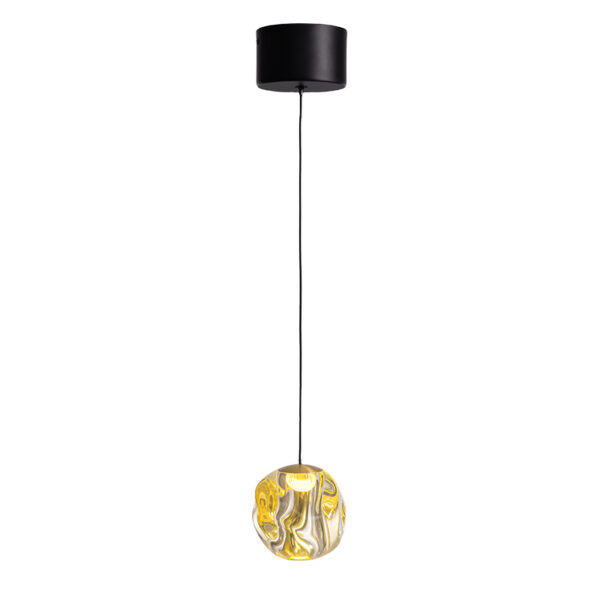
Consider a small chain upgrading a restaurant pendant light layout across three cities. Old stock was bright but harsh; new fixtures used better heat sinks and clear PFC specs. Result: fewer callbacks, lower energy peaks, and calmer color tone. As a benchmark, they tracked L70 by SKU and used a simple glare check at the counter line (because prime seats must look good). The lesson is not about fancy tech only. It is about measurable sameness: same beam, same dim curve, same driver behavior—across sites. When that holds, designers design, electricians finish, and managers stop chasing flicker. Strange, but true.
Choosing Well: Three Metrics That Matter
1) System stability: Check driver topology, dimming range to 1%, and flicker index under both DALI-2 and 0–10V. Confirm surge protection and EMC compliance on the exact bill of materials. Ask for thermal management data at your ambient.
2) Visual consistency: Require CRI and R9 batch reports, defined beam angles, and a target UGR for the dining plane. Verify lumen maintenance (L70) at rated temperature, not lab-only numbers. Request a two-room mockup if possible.
3) Lifecycle clarity: Look for replaceable drivers, clear warranty terms, and spare-part lead times. Document power factor correction, IP rating, and any sensor/edge support. Small notes now prevent large costs later.
Put simply, compare beyond the catalog photo. Balance aesthetics with driver quality, optics, and aftercare. When you source smart, the space feels right, the budget holds, and your schedule breathes. That is how a lighting plan stops being fragile and starts being calm. For deeper specifications and stable sourcing paths, you may review solutions from kinglong.