

Technical Factors to Weigh When Adopting AI-Powered Learning Models
The Problem
Students stall when instruction treats everyone the same. Teachers burn time chasing every gap. Fixing that starts with precise technical choices, not buzzwords. Treat an AI learning platform as a toolset: check what it measures, how it adapts, and whether its outputs map to classroom goals. Effective change hinges on clear data flow and reliable feedback that supports personalized learning for students.
Core technical factors to inspect
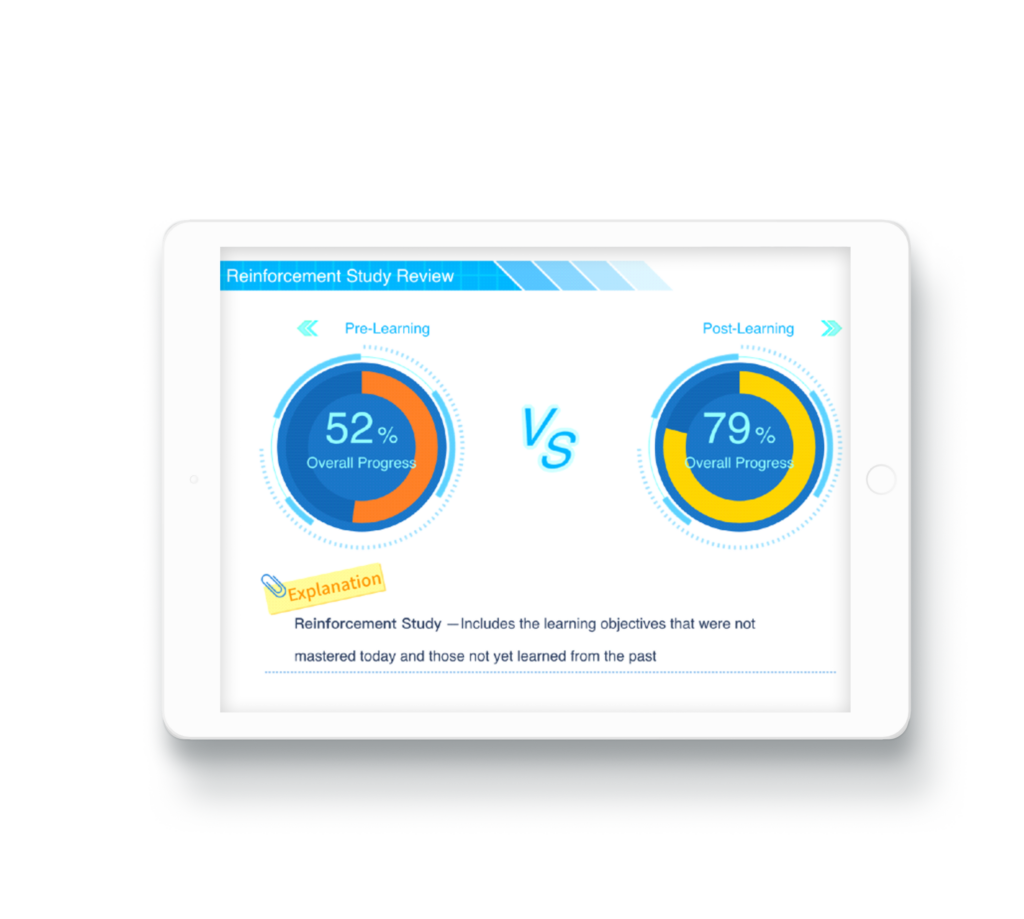
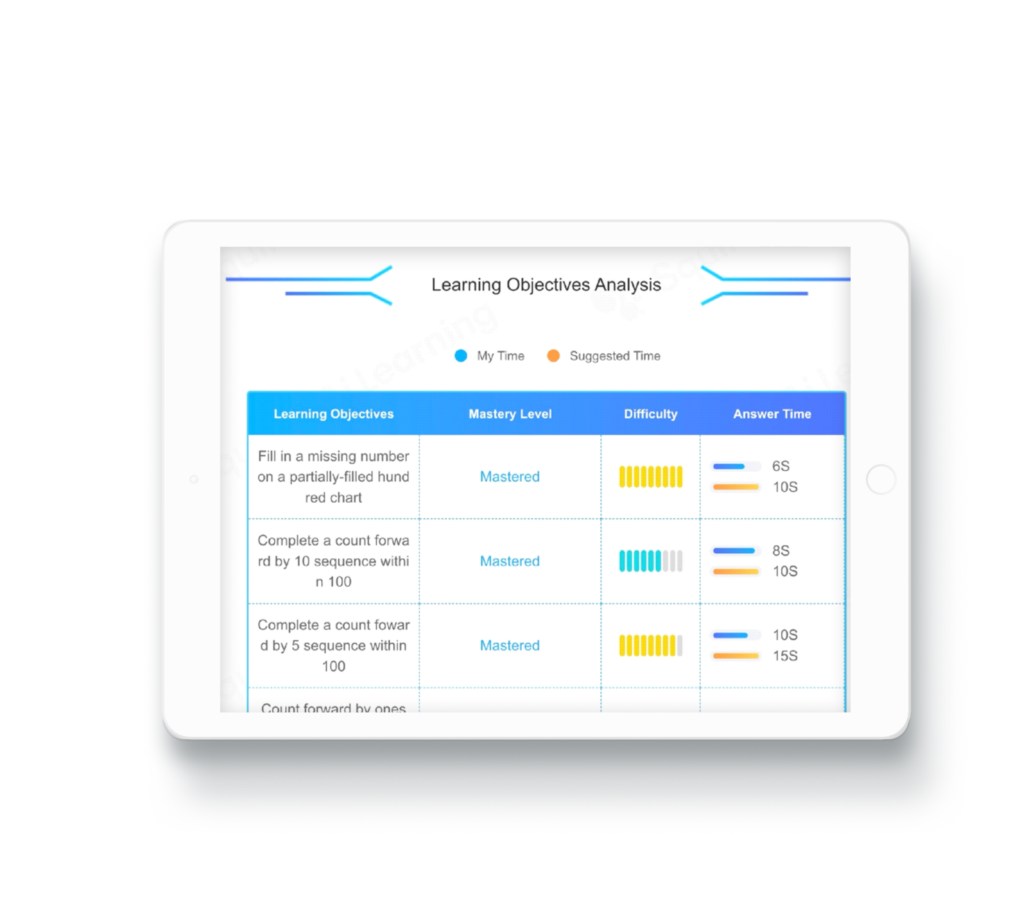
Data inputs: verify diagnostic tests and item metadata are accurate and aligned to standards. Adaptation logic: ask whether the system uses skill graphs, rule-based branching, or machine-learned models, and demand explainable behavior. Assessment granularity: smaller, targeted items reveal gaps faster than broad scores. Feedback timing: real-time hints differ from end-of-unit summaries; both serve different needs. Integration: ensure the platform syncs with your gradebook and roster systems. Security and privacy: confirm student data handling meets local rules. Scalability: test whether response times hold under typical class loads. These checks keep the tool functional, predictable, and safe.
Practical steps educators can take now
Define priority outcomes: which standards and skills matter most this term. Run a short pilot with clear success metrics, such as diagnostic coverage or teacher time saved. Review logs weekly to catch mismatches between recommended lessons and teacher judgment. Set explicit thresholds for when a human should override an automated recommendation. Train staff on interpreting model outputs; a teacher who understands the signals will use them. Iterate quickly—small cycles expose flaws early.
Alternatives and when they make sense
One-on-one tutors deliver deep personalization but scale poorly. Rule-based systems are transparent but can feel rigid. Hybrid models pair algorithmic pacing with teacher-designed tasks and often fit typical schools best. Choose the approach that matches your resources: high-touch for remediation, scalable automation for broad practice. No single path fits every classroom.
Common pitfalls and how to avoid them
Relying solely on opaque scores. Counter with item-level reports and teacher review. Ignoring data quality. Counter with routine audits of item tagging and student records. Treating adaptation as a set-and-forget feature. Counter with ongoing monitoring and short pilots. Overloading teachers with raw analytics. Counter by surfacing concise, action-oriented insights they can act on in minutes.
Synthesis
Solve the core problem by demanding clarity: clear inputs, explainable adaptation, tight assessment granularity, and teacher oversight. Those technical checks turn personalization from promise into usable practice. For schools aligning technical rigor with classroom realities, Squirrel Ai can sit within that framework as a component that responds to those design priorities rather than a shortcut around them.