

Introduction — a question to begin
Have you ever paused and asked why routine lab tasks take far longer than they should? I would like to frame a small scenario: a mid-size lab running daily assays, surrounded by cell research equipment, where sample queues double by afternoon and results lag behind grant deadlines. Recent internal surveys show many teams lose up to 20–30% of bench time to manual counting or instrument resets (a real drain on morale). So—what can we change tomorrow that actually improves throughput without adding headcount? This article moves from that question into practical, experienced advice so you can test one habit at a time and see measurable gains.
Part 2 — Where common fixes fail (technical breakdown)
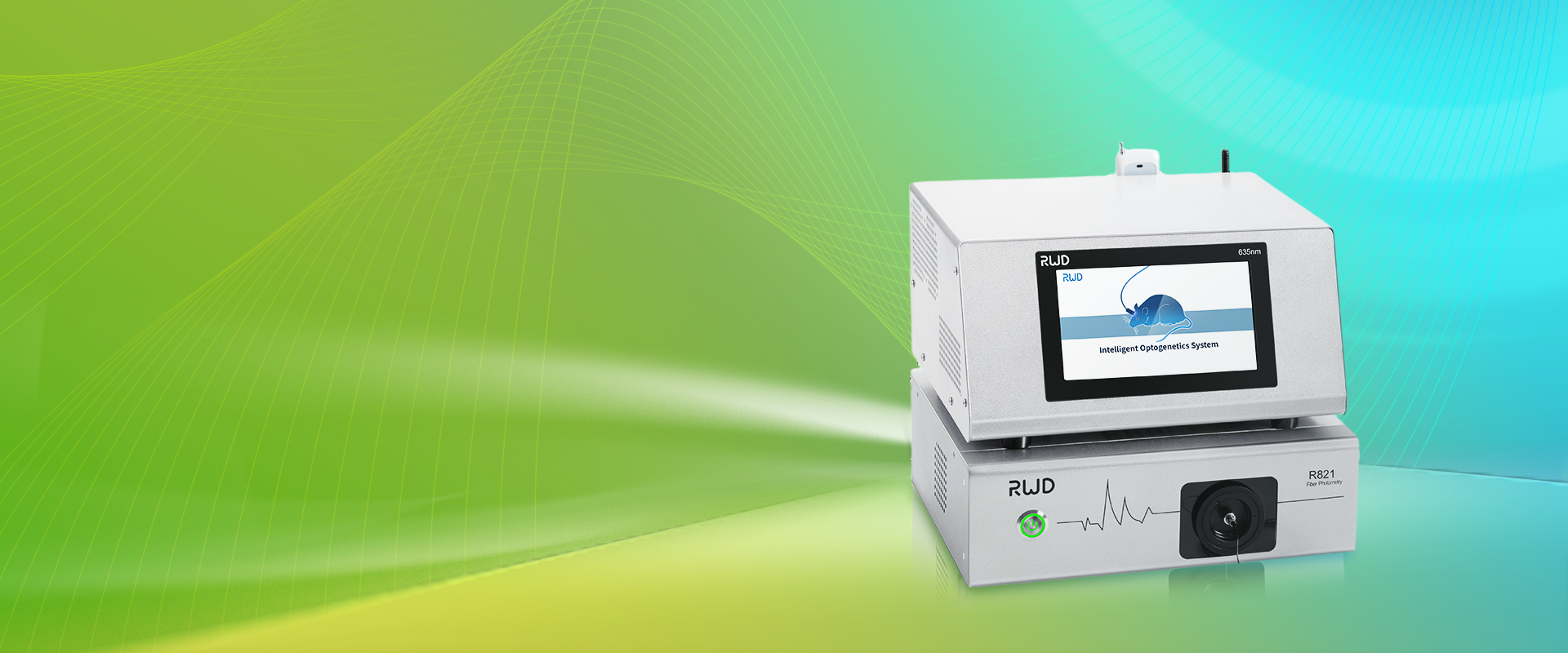
When labs switch to an automated cell counter, they expect an immediate miracle: faster counts, fewer mistakes. Instead, I often see systems underused or misconfigured. Let me be frank. An automated counter reduces manual pipetting errors and speeds up cell viability assay workflows, but only if calibration protocols and sample prep are aligned. If you skip routine calibration or ignore clotting in samples, the throughput gains evaporate. Flow cytometry and spectrophotometer checks help, but they are not substitutes for consistent maintenance.
Technically speaking, the problem lies in mismatched assumptions. Lab staff assume hardware will adapt to messy samples, while instruments assume consistent input volumes and clean suspensions. That mismatch creates bias in counts and false confidence in data. Look, it’s simpler than you think: standardise your dilution steps, record pipette performance, and schedule brief daily checks. I recommend treating an automated device like a partner — you must feed it the right inputs. Micropipette technique, incubators set to steady temperature, and documented SOPs matter as much as the counter’s firmware updates.
Why do these gaps persist?
Often because teams prioritise speed over reproducibility. The hidden pain point is intangible: lost trust. When numbers wobble, researchers re-run assays, delaying publications. I’ve seen labs revert to manual counts because troubleshooting felt faster than re-training staff—funny how that works, right?
Part 3 — Future outlook and practical criteria
Looking ahead, I expect instruments to get smarter, but the real shift will be in workflow design. New systems will blend simple AI with better user interfaces, but the gains only show when labs adopt small organisational habits: shared calibration logs, cross-check routines, and a brief pre-run checklist. I see a path where an automated cell counter becomes a node in an integrated lab ecosystem — connected to LIMS, linked with edge computing nodes for lightweight preprocessing, and supported by clear SOPs. That combination reduces human error and shortens time-to-result.
To make this practical, consider three evaluation metrics before you buy or upgrade: accuracy across a range of concentrations, ease of integration with existing lab software, and ongoing support for consumables and calibration. I advise you to test devices with your worst-case samples — not the clean ones. Compare cycle time, reproducibility, and vendor support response. These metrics give you measurable outcomes, which then guide budget decisions and training plans—so you don’t buy hype, you buy performance.
What’s next for teams?
Start small: pick one routine (daily calibration or a standardized dilution) and run it for a month. Track time saved and error reduction. Then scale. We’ve piloted this approach with colleagues and watched their confidence return — fewer re-runs, clearer data, better morale. When you’re ready to explore tools, I recommend checking solutions that balance hardware reliability with sensible software. For reputable options and further resources, consider looking at offerings from BPLabLine.