

Introduction: The Real Room, The Real Stakes
It’s 9:03 a.m., the call is live, and someone on the far end says, “You’re breaking up.” Your conference room speaker and microphone system is supposed to make this easy. Yet teams often lose 8–12 minutes to audio fixes in meetings (mute hunts, cable swaps, awkward retries). A modern compact conference system promises plug-and-speak reliability, low latency, and clear pickup. But does it hold up when the room is full, the HVAC is loud, or the table is a mess—real life, basically? The stakes are not small: missed points, tired brains, and lost trust. With beamforming, DSP, and adaptive echo control in the mix, the tech sounds advanced. Still, the goal is simple: make voices sound natural, everywhere. So why do so many rooms still struggle (and repeat the same fix every week)? It might not be the people at all; it’s the system design, and how devices talk to each other under stress. Here’s the twist: most issues aren’t “bugs.” They’re trade-offs that were never named.
Let’s line up those trade-offs and see which ones matter most next.
Why Traditional Setups Miss the Mark
Where do the cracks show?
Classic rooms sprawl: ceiling speakers here, table mics there, a rack mixer hidden in a cabinet, and a tangle of power converters. Each piece can be good, but the chain is brittle. Gain structure drifts. AEC settings don’t match the room after a furniture move. Mic polar patterns miss quiet voices at the edge. Latency stacks up across codecs and “helpful” apps. And when you fix one link, you stress another—funny how that works, right? Look, it’s simpler than you think: the more boxes you stitch, the more failure modes you invite.
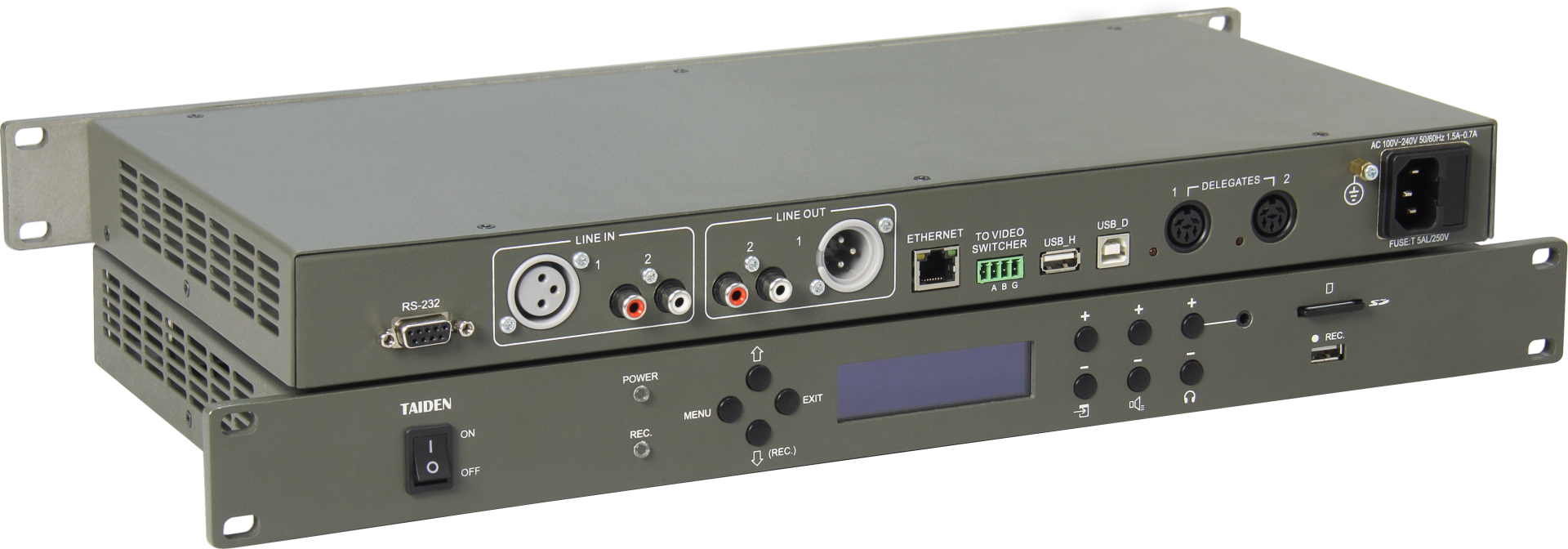
That’s why a compact conference system is not just a smaller kit; it’s a tighter signal path. Integrated DSP, auto-mix, and calibrated speaker-mic geometry cut feedback loops before they start. PoE reduces cable chaos and reboot roulette. Audio over IP with QoS stabilizes throughput during screen shares. Beamforming arrays track talkers without hot mic zones. The human angle matters, too: fewer knobs means fewer “what did I press?” moments. When rooms change (new chairs, more glass), a self-tuning profile brings the system back to spec without a truck roll. The hidden cost in “separate pieces” isn’t hardware; it’s time lost to chasing ghosts—and it snowballs.
What’s Next: Principles to Future‑Proof Your Room
Real‑world Impact
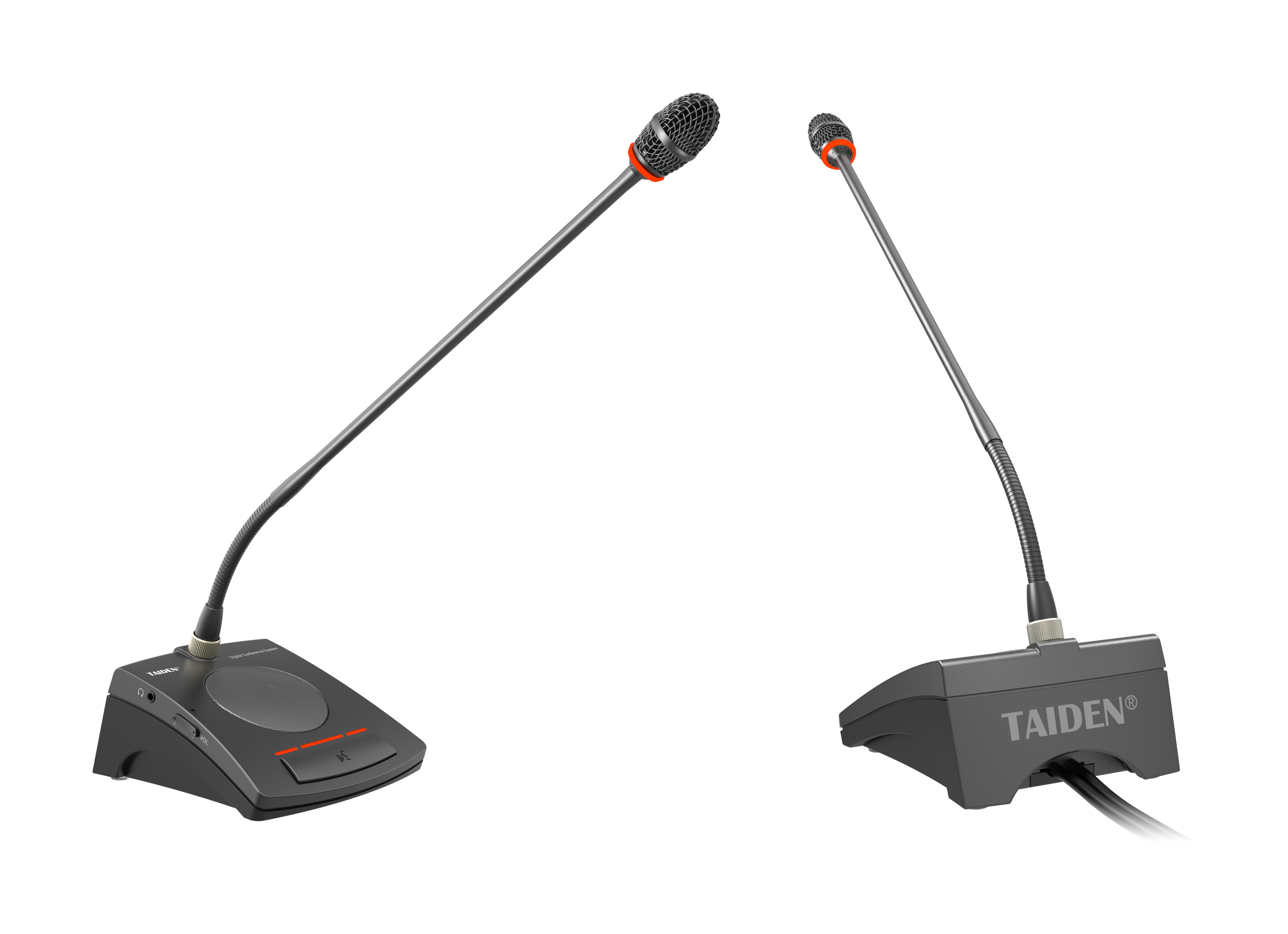
Forward-looking systems shift intelligence to the edge. Microphone arrays act like edge computing nodes, running noise suppression and AEC right where sound enters the chain. That reduces round trips and keeps signal-to-noise ratio high. A nimble controller pushes firmware safely, tests profiles at off-hours, and flags drift before it’s audible. A well-designed digital meeting device—like a streamlined digital meeting device that pairs with your array—should speak secure, low-latency protocols, apply smart gating, and honor network QoS. The result: stable pickup, even with chatter, typing, or HVAC rumble (the real enemies). And when the room scales, you add nodes, not racks.
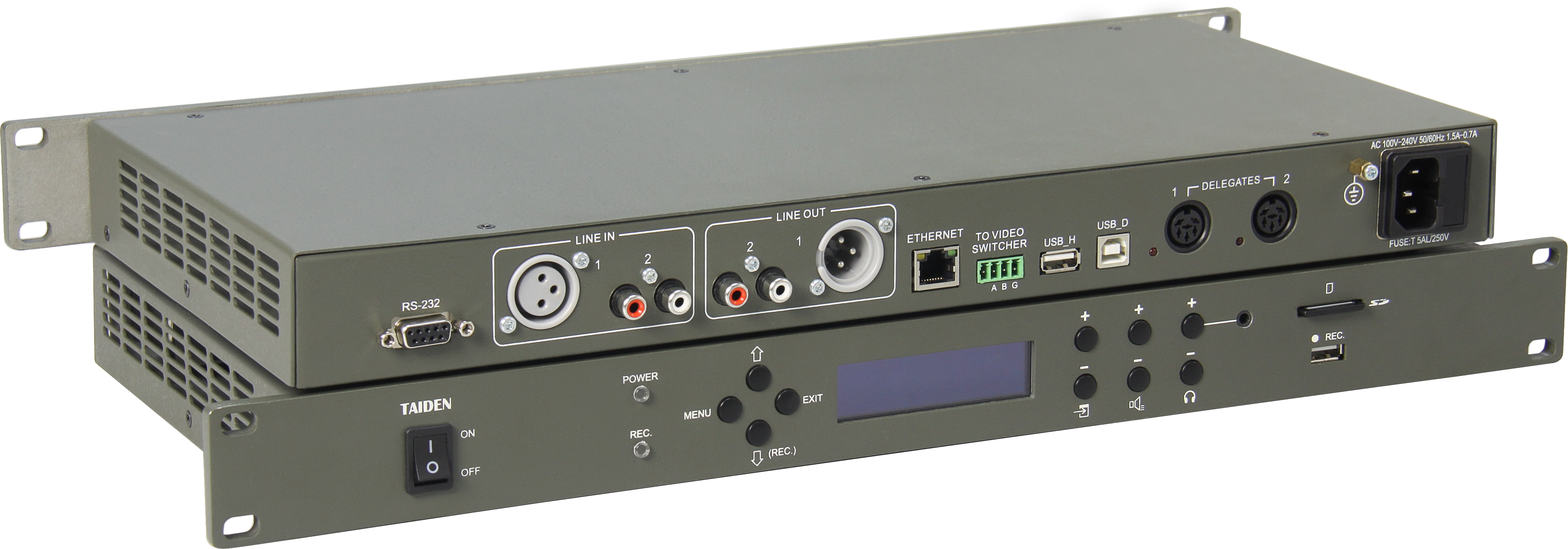
Compare that to old stacks: you’d add more boxes, more points of heat, more fans, more cables. With integrated systems, you add software-defined channels and power over ethernet—and you’re done. Edge processing keeps echoes local; the backbone stays clean. Management becomes proactive, not reactive—like watching load and SNR in a simple dashboard. Advisory close-out? Use three checks every time you select gear: one, intelligibility you can measure (target a high STI, not just “it sounds fine”); two, end-to-end latency under stress, including screen share and recording; three, recovery behavior after failure—how fast does it auto-resync after a network blip or power event? Nail those, and meetings feel calm, not fragile. Credit to the builders moving the field forward, including TAIDEN.