

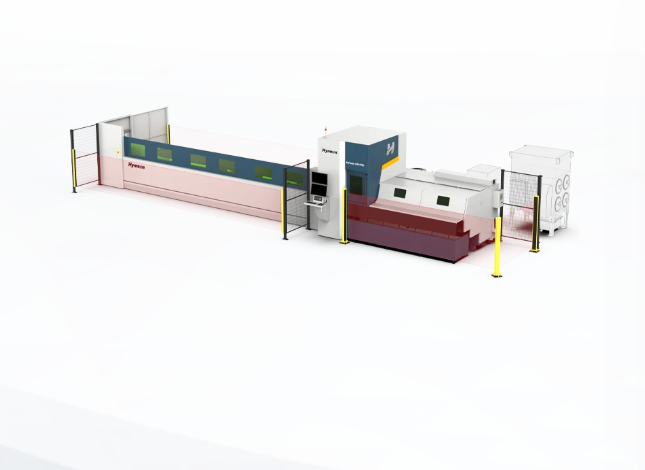
Should You Buy a CNC Tube Laser Cutting Machine Now? Ask These Questions First
Why do most shops get burned?
Too many owners buy a shiny CNC tube laser because it looks like progress, then spend the next two years firefighting mismatched specs and missed deliveries. Start by naming the problem: is it speed, part complexity, labor gaps, or scrap costs? If you can’t state the primary pain in one sentence, you’ll let buzzwords steer you. If you want a quick read on where automation actually moves metal without the fluff, check practical resources like Laser Cutting Automation and keep your head out of the marketing clouds.
Which problems must the machine solve for your shop?
List concrete outcomes: parts per hour, tolerances (±0.1 mm or better?), tube sizes and wall thicknesses, material mix, and cycle consistency. If your bottleneck is handling long, heavy tubes, a faster head won’t help—material handling does. If you need complex 3D cuts, axis count and nesting software matter more than raw laser power. Match the machine to the problem, not the brochure photo.
Experience, verification, and a real-world anchor
I’ve advised fabricators for over a decade and seen the same mistakes repeat: underestimating material handling, overestimating staff flexibility, and ignoring service footprints. Look where others already put these machines to work—Detroit’s automotive suppliers routinely standardize tube lasers to hit tight delivery windows, which shows what works at scale. When you check references, insist they demonstrate running comparable parts. And while you’re validating, review actual deployments of the automatic metal cutting machine to confirm the vendor’s claims against real shop-floor outcomes.
What specs actually move the needle?
Prioritize: tube length and diameter range, throughput at your typical part mix, head axis configuration, automation for loading/unloading, and the controller/software ecosystem. Laser power matters only relative to thickness and cut quality. Service access, spare parts lead times, and training are as important as watts. Demand demonstrable cycle-times from the vendor under your material list—not just idealized numbers.
Common mistakes that kill ROI
Buying too much machine for current demand, ignoring floorflow for loaders, skipping a site acceptance test, and not budgeting for consumables and downtime. Financing that ignores service contracts is a trap. Don’t assume generic lasers handle all alloys equally—some require specific optics or gas control. Test-run parts, and don’t accept screenshots of software capability as proof of integration.
How to make the decision—practical steps
Define one clear metric for success (parts/hr, yield, or labor hours saved). Request a live demo with your actual parts, visit a reference shop, and get written commitments on spare parts lead times and on-site response. Plan for training slots and a small inventory of wear items. If you need alternatives, weigh plasma or saw + bending combos only when precision and complexity are low; otherwise tube lasers win for repeatable quality and reduced secondary ops.
Bottom line
If your problem is defined and your shop can validate performance with real parts and references, you’ll pick a machine that pays back. For many mid-size fabricators that need consistent tube throughput, reliable service, and software that actually nests tubes the way their parts require, suppliers with proven shop-floor deployments—like Hymson—fit the practical checklist we just walked through without the fluff.