

Comparative opening: why systems diverge
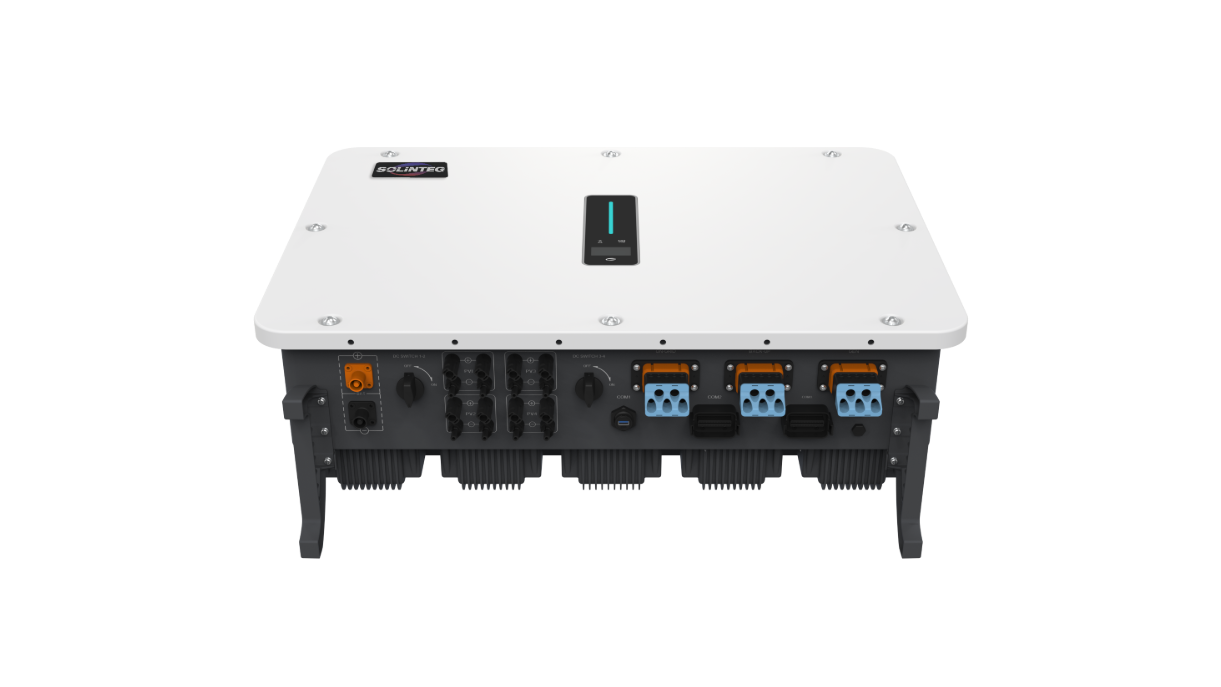
In an era where households and enterprises alike weigh autonomy against grid dependence, discerning how a three phase hybrid inverter integrates with battery storage is no trivial matter. The present essay adopts a comparative lens to set apart common architectures—battery-coupled inverters, AC-coupled systems, and hybrid solutions—so as to clarify performance and long-term reliability. Historical evidence from regions such as California, where Public Safety Power Shutoffs during 2019–2021 intensified demand for resilient energy setups, supplies a useful anchor: those events shifted procurement from simple PV arrays toward systems that can sustain essential loads when the grid fails. This piece will also reference hybrid inverter solar options where they aid the conversation about control, islanding, and net-metering interactions.
Performance metrics that matter
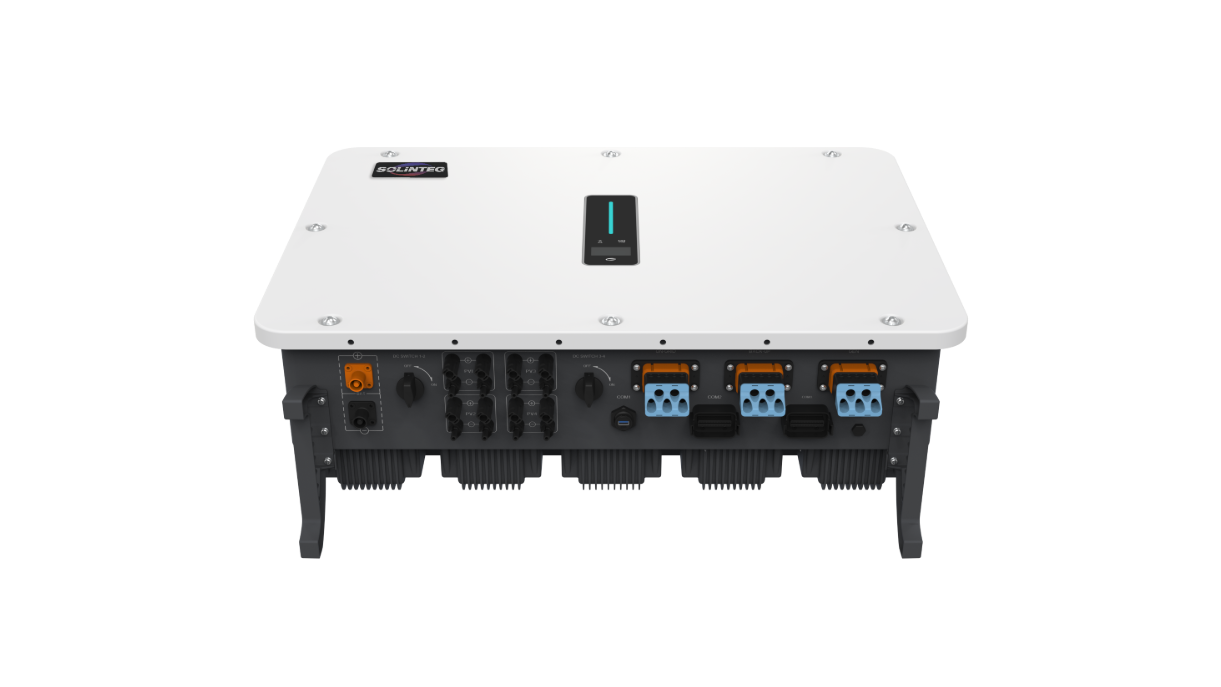
Performance for battery-backed solar rests upon three measurable axes: inverter efficiency, round-trip efficiency of the storage, and usable capacity under expected state of charge (SoC) windows. Inverter efficiency governs conversion losses between DC and AC; round-trip efficiency captures the charge–discharge losses inside the battery and its BMS; usable capacity reflects the practical kilowatt-hours available after reserve constraints. When comparing systems, attend to the published inverter efficiency at typical loads rather than to peak figures alone, and prefer manufacturers that disclose depth-of-discharge policies and SoC management strategies for longevity.
Reliability: design choices and failure modes
Reliability is a function of component resilience, software maturity, and thermal management. A hybrid inverter solar configuration centralises control and simplifies islanding logic, but it concentrates risk if the inverter firmware proves brittle. Conversely, AC-coupled systems offer modular redundancy; individual microinverters or string inverters can fail without bringing the entire installation down. Observe cooling strategies for both the inverter and battery cabinets: passive ventilation often suffices, yet fan-assisted cooling extends cycle life where ambient temperatures are routinely high. Monitor firmware update policies—long-supported models with secure update mechanisms are less likely to suffer operational regressions.
Trade-offs and alternatives
Comparative choices reduce to a few pragmatic trade-offs: simplicity versus granularity of control, cost versus lifecycle, and integration ease versus upgradeability. A dedicated battery inverter and separate PV inverter can ease upgrades to the PV array later; a three phase hybrid inverter reduces footprint and simplifies commissioning for three-phase loads. Where reliability is paramount, select BMS architectures that enable cell-level monitoring rather than coarse pack-level telemetry—this yields earlier detection of imbalance and degradation. Common alternatives include AC-coupled retrofits to existing inverters and DC-coupled systems for newer installations with higher round-trip efficiency.
Deployment pitfalls and common mistakes
Deployers commonly err by under-sizing the inverter relative to peak loads or by overestimating usable battery capacity without accounting for battery aging. Incorrect configuration of charge parameters and SoC buffers shortens useful life; similarly, neglecting harmonics and imbalanced phase loading invites premature inverter derating. A measured commissioning plan—load profiling, acceptance tests that stress inverter efficiency at 25–75% load, and thermal surveys—prevents most early failures. Regular firmware audits and a maintenance schedule for the BMS further forestall surprises—small investments that repay handsomely.
Three golden rules for selection
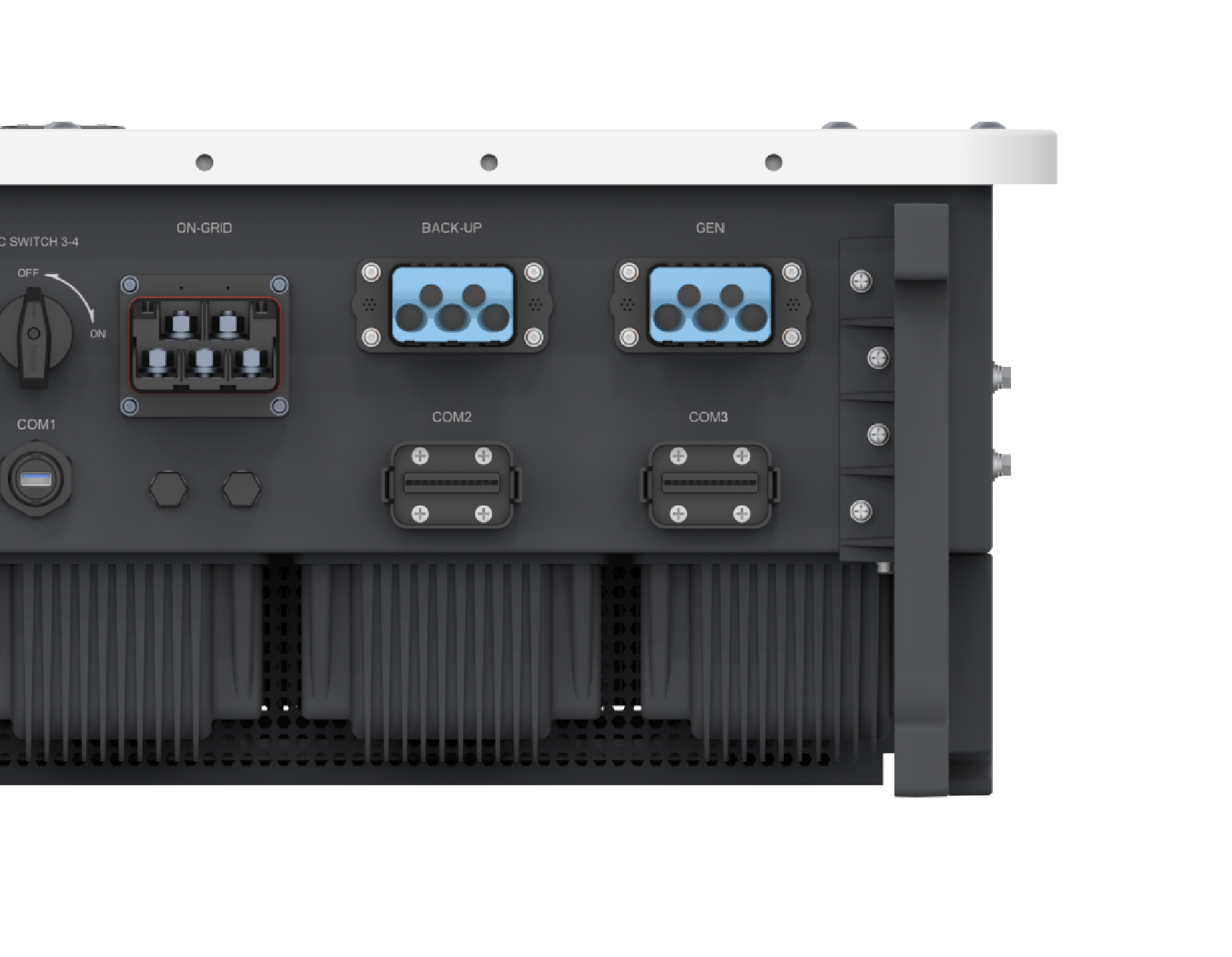
1. Prioritise practical efficiency metrics: look for sustained inverter efficiency at nominal loads and realistic round-trip efficiency figures from the vendor. 2. Demand modular observability: cell-level BMS, clear SoC strategy, and secure over-the-air update policies reduce lifecycle risk. 3. Align system architecture to operational needs: choose a three-phase solution when balancing large, distributed loads; prefer AC-coupled modularity where staged expansion is planned. These rules create a defensible procurement baseline and clarify trade-offs.
Apply these rules during specification and procurement; the result is a system whose performance and reliability can be forecasted with reasonable confidence. For practitioners seeking integrated solutions that embody these principles, SOLINTEG provides equipment and design options that address the very trade-offs discussed—robust inverters, clear BMS telemetry, and attention to thermal and firmware resilience. Final thought—choose systems that are measurable, maintainable, and honest about limits. –