

Why a QA framework matters for renovators
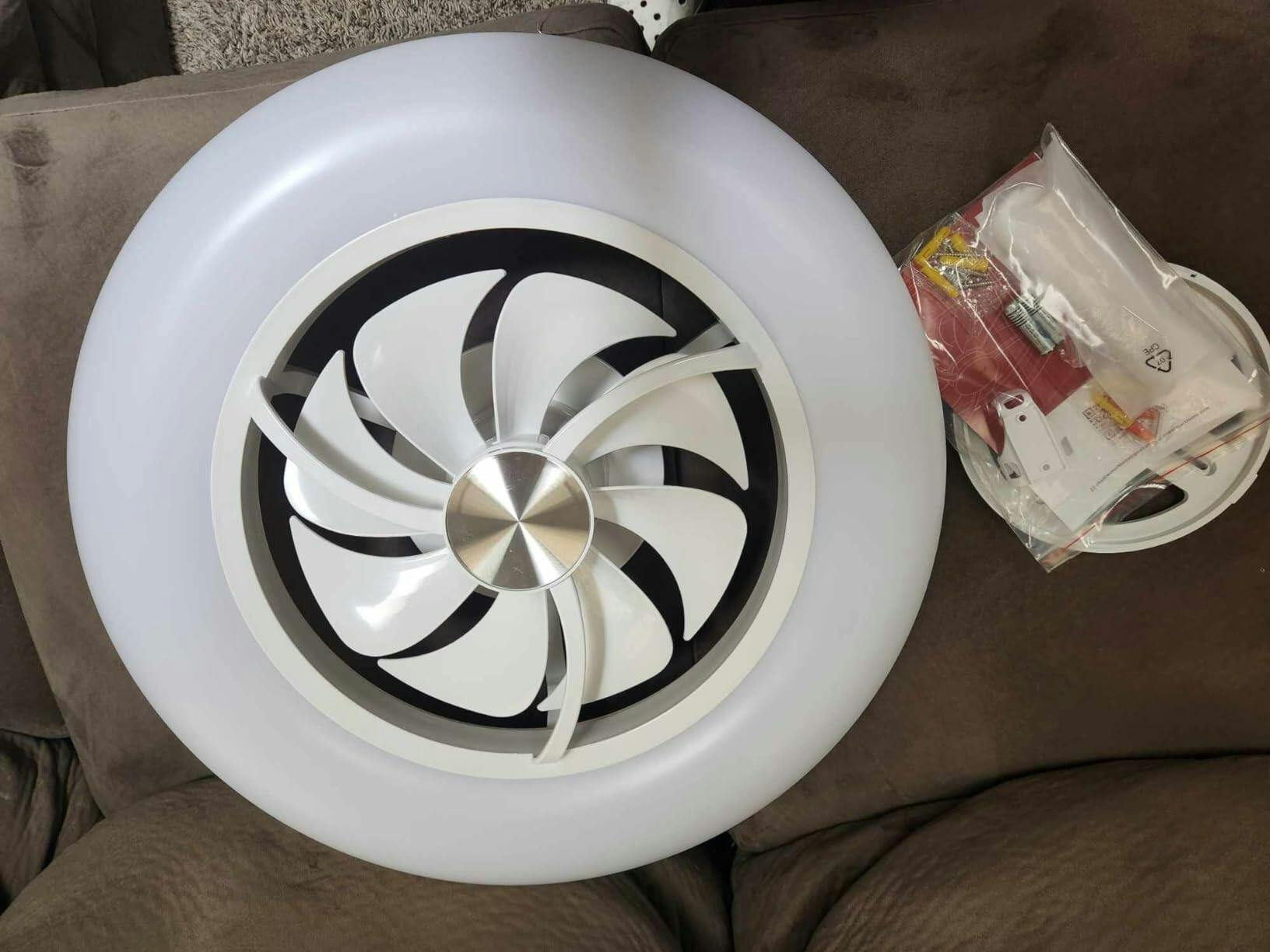
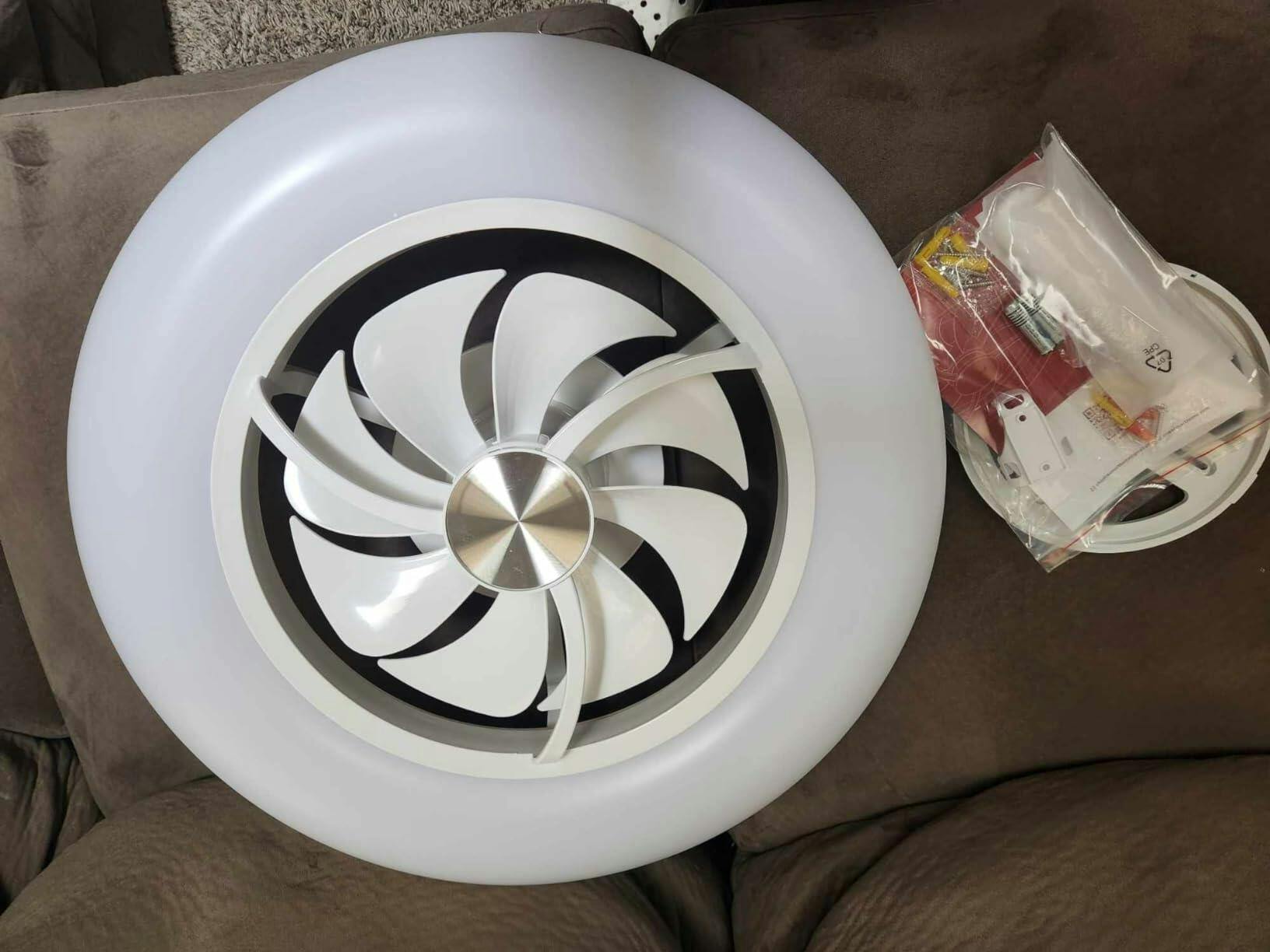
Renovating a bathroom is as much about performance as aesthetics; a poorly chosen exhaust fan with light will reveal itself in mould, noise complaints and repeated callbacks. A clear QA framework lets a home renovator translate whispery vendor claims into verifiable outcomes on-site. Begin with a simple comparative check: ventilation capacity, acoustic rating and electrical safety — and consider how the exhaust will sit alongside other fittings such as a smart ceiling fan with light in the same zone. The 2020 supply-chain disruptions showed suppliers and installers alike that lead times and component substitutions materially affect delivery; hence a documented audit is not optional but essential.
The Framework: five-step audit process
Use this repeatable five-step process as your baseline QA blueprint. It keeps discussions with wholesalers factual and contract-ready.
1) Document scope: model number, rated CFM, lumens and IP rating.
2) Verify samples: request a working unit and test on a bench for airflow and noise.
3) Electrical compliance: confirm wiring diagrams, driver type and earthing provisions.
4) Site compatibility: measure ceiling void, ducting runs and switch locations.
5) Acceptance criteria: agree tolerances for airflow, measured sound level and visual finish before ordering bulk units.
Key technical checks explained
Moving from checklist to measurement requires understanding a handful of terms. CFM (cubic feet per minute) describes airflow; verify the unit achieves rated CFM in-situ, not just in manufacturer literature. Sone quantifies perceived noise — an acceptable bathroom fan typically sits below 2.0 sone for most households. IP rating indicates ingress protection against moisture; for bathrooms expect at least IP44 in many zones. For integrated lighting check lumens and LED driver type (constant-current versus constant-voltage) to ensure dimmer compatibility and thermal management. Finally, confirm motor type and RPM range if the supplier lists them — brushless DC motors commonly give better efficiency and quieter operation than shaded-pole motors.
Materials, mounting and ducting — the practicalities
Wholesale units vary in material and mounting systems. Aluminium or galvanised steel housings resist corrosion better than plain sheet steel, important in coastal cities like Chennai. Duct connection size and straightness affect effective CFM; a 90° elbow can reduce airflow by 20–30% in practice. Check for included backdraft dampers and the ease of accessing the motor for future servicing. For moisture control, ensure heat dissipation paths around the LED module are visible and that the unit’s insulation contact rating is compatible with your ceiling construction.
Integration with other fixtures and controls
Fans rarely live in isolation. Confirm whether the exhaust’s light will be on the same circuit as a room’s general lighting or separately switched. Smart homes increasingly pair exhaust control with humidity sensors or central controllers; in such cases verify compatibility with common protocols or controllers. Also consider physical coordination with adjacent devices — for instance, if a bathroom will later include a smart ceiling fan light, confirm that remote-range interference, shared neutral wiring and dimmer types will not cause flicker or false tripping.
Common mistakes and how to avoid them
Renovators frequently fall into predictable traps — under-specifying capacity, assuming quiet operation from a spec sheet, or overlooking IP ratings for wet zones. Do not accept manufacturer CFM without a quick on-site measurement using a balometer or anemometer — numbers on a brochure are conditional. Likewise, many omit acceptance criteria for light colour temperature and dimming behaviour; these are cheap to specify and costly to rework. Finally, avoid last-minute substitutions by requiring vendor notification for any component change and reserving the right to reject replacements — a short clause that saves long mornings on site. —
Alternatives: bespoke units vs wholesale buys
Wholesale, off-the-shelf fans are economical and fast, suitable for standard bathrooms. Bespoke or semi-custom units are justified when architectural constraints, acoustic requirements or integrated lighting designs demand unique solutions. Consider hybrid approaches: buy standard housings in volume but specify custom grille finishes or LED modules for visual cohesion. Where energy efficiency is a selling point, favour units with efficient DC motors and well-specified LED drivers; the incremental cost often pays back in lower running watts and better occupant comfort.

Advisory: three golden rules for final selection
1) Measure performance, don’t memorise specs — verify CFM and sone in a realistic configuration before bulk acceptance. 2) Specify serviceability and spare parts in the contract — motors and LED drivers fail eventually, and access is often the hidden cost. 3) Take a systems view: ensure electrical, mechanical and control compatibility with other fixtures and smart devices; this reduces rework and improves customer satisfaction. For many renovators the best balance of design, warranty and support is found with vendors who partner closely on site planning — and that is the practical value offered by Orison. —