

Introduction: The Monday Test and Why It Matters
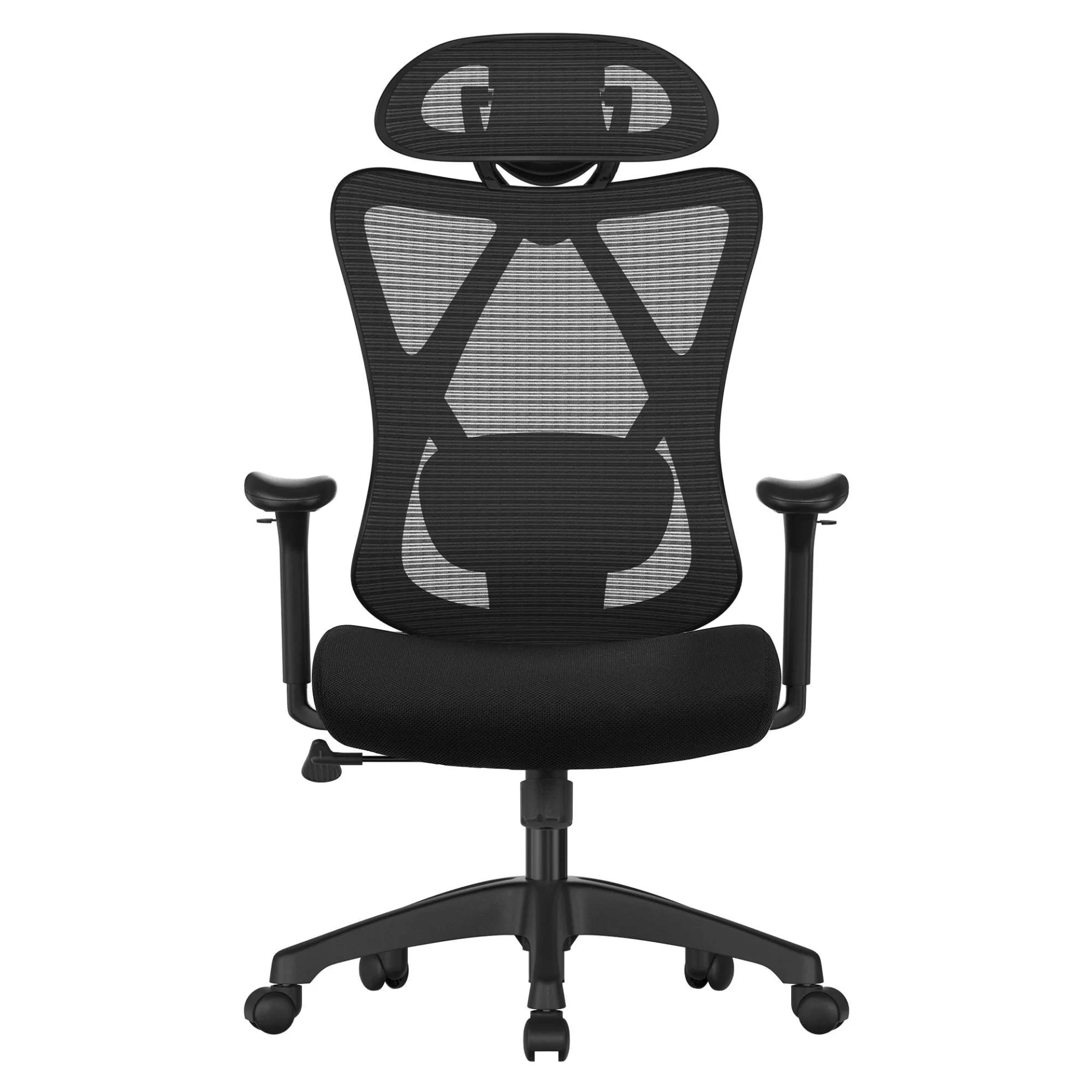
Here’s the straight truth: a chair can make or break your workday. The right office chair manufacturer sets the tone for comfort, uptime, and morale. Picture this: it’s Monday at 8:12 a.m., you ease down, and your lower back says howdy with a sharp twinge—again. Data backs that tale; studies show over a third of office folks report recurring seat pain, and productivity slips right along with it. So what gives, y’all? Is it the foam, the tilt, the gas lift, or the way the factory checks torque on the bolt set? The scenario plays out each week, and it costs teams real hours. But the bigger question is simple: which maker designs for your body and your business, not just the price tag? (Because the sticker ain’t the whole story.) We’ll size up choices, compare trade-offs, and call out the signals that matter. Now, let’s line up the usual suspects and see what holds—under real use, not just showroom shine.
Part 1: The Hidden Gaps Buyers Miss
Where do the problems start?
When buyers scan office chair manufacturers in China, they often check price, lead time, and a sample’s first feel. That’s fine, but it skips the quiet flaws that show up in month six. Look, it’s simpler than you think. The hot spots are repeatability and controls. Do they run consistent injection molding for arm caps? Do they track mesh tensile strength by lot? Are torque specs verified on the tilt mechanism, not just the seat plate? Solid makers show BIFMA pass data, not a single certificate. They log QC at each station and keep photos for traceability—yes, even on the gas lift cylinder lot number. If those steps sound “extra,” they’re not; they are the difference between a chair that clicks for years and one that squeaks by Friday.
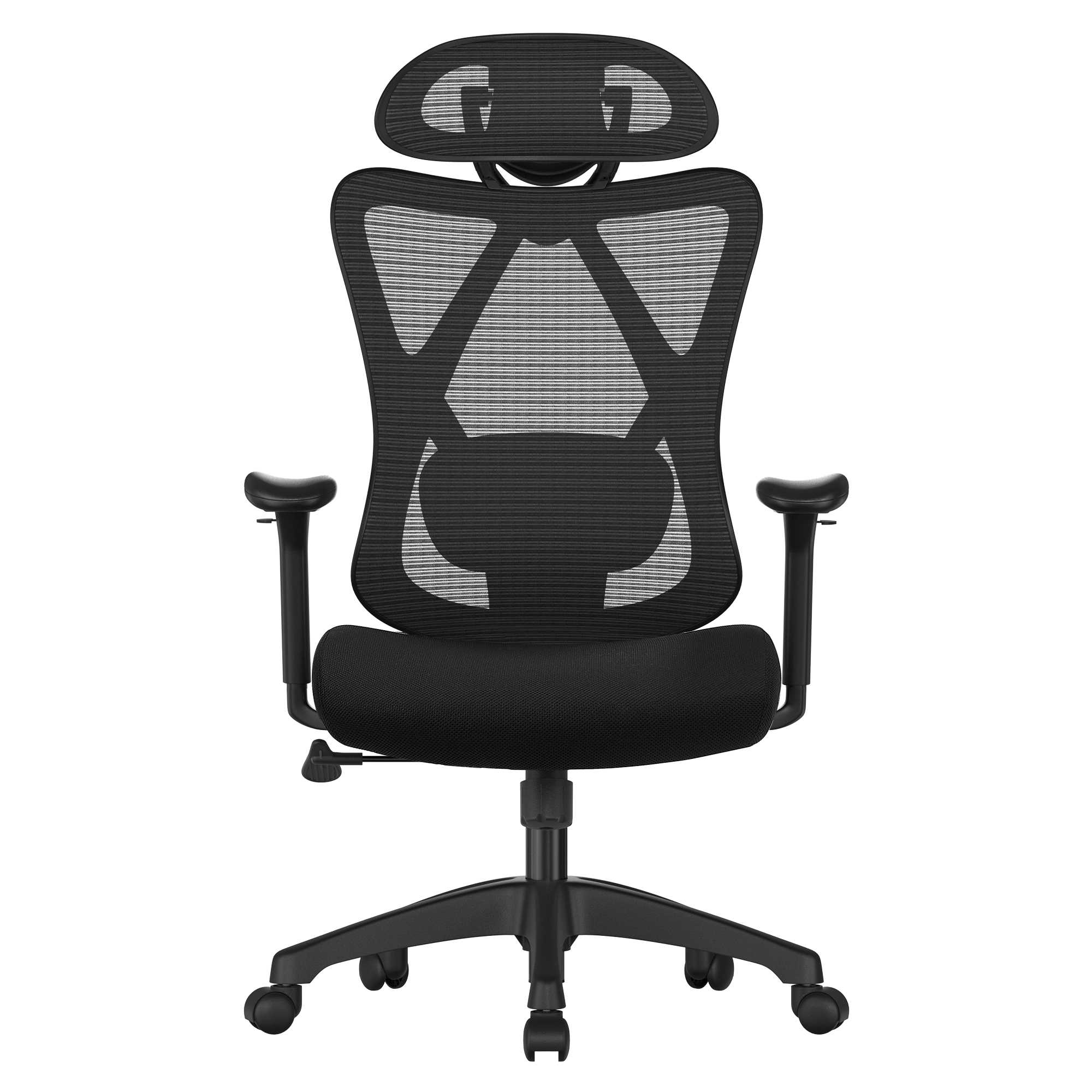
Traditional buying leans on a pretty sample and a quick spin test. That hides wear points. Powder coating can look smooth while the base chips early if prep is weak. Cold-cure foam can feel plush yet sag if density control drifts. Even screws back out when torque guns aren’t calibrated. The fix is technical transparency: process sheets, ANSI/BIFMA X5.1 reports by SKU, and simple dashboards that show fail rates over time. You get fewer returns and fewer tickets—funny how that works, right? And yes, a factory that shares these details is signaling discipline, not show. That’s what your back—and budget—actually needs.
Part 2: What’s Next—Tech That Changes the Seat
Real-world Impact
Now let’s look forward and make it practical. The best plants blend hands-on craft with fresh tools. Some lines use edge computing nodes at the torque stations to track every fastener on the tilt mechanism. Each chair gets a digital birth record. If a batch drifts, alarms pop before a pallet ships. Test rigs run through power converters to simulate load spikes on the gas lift cylinder and catch leak rates early. This isn’t buzz; it means fewer wobbles, fewer squeaks, and fewer “send a tech” calls. For you, the buyer or the office chair wholesaler, that’s steadier margins and quieter inboxes. And the tone of proof shifts from promises to plots: foam density charts, Cpk on arm hinge torque, and cycle counts on the recline. Different factories may quote alike, but their data trails do not—and that’s where your risk lives.
Comparatively, legacy setups rely on end-of-line eyeballing and a quick sit test. It feels fast. It’s not. Rework eats the time later. A forward shop will show lean manufacturing cues, like balanced cells for upholstery stitching and Kanban cards on high-wear parts. They’ll publish on-time-in-full history and ISO 9001 audits without you asking. They may even give a portal view so you can see BIFMA results per build week—small thing, big trust. Summing up the journey: price tells you today; process tells you the year. To choose well, weigh both. My closing advice comes in three simple checks. One, demand verified BIFMA pass rates by model and month. Two, ask for process capability on critical points, like tilt lock torque and foam density. Three, track schedule stability with OTIF and variance in lead time. Get those three right, and the rest falls in line—mostly on its own. If you want a steady benchmark to compare against, keep an eye on SONGMICS HOME B2B.