

Introduction: What I See on Site, Not in Slides
I have over 16 years in utility-scale storage and microgrid procurement, and I still start with the ground truth: load, weather, and grid rules. Most calls I take are about hithium energy storage and how it copes with real operating stress. On a windy Friday in March 2020 near Eemshaven, I was asked to stabilise a 5 MW peak with thin margins. I reached for my usual short list—systems I’ve audited and installed, including hithium battery storage. Round-trip efficiency, BMS safety logic, and PCS power converters were not academic notes; they were the difference between a pass and a penalty on the client’s monthly bill. The data was blunt: peak charges up 28%, ambient 4°C, and a jagged duty cycle. So, what matters when hardware meets a cold yard and a nervous finance team?

I lean on numbers. A 2% loss in round-trip efficiency can wipe out €12,000 per quarter on a 10 MWh asset at Netherlands Q2 2023 tariffs—seen it, logged it. Honestly, the tricky bit is not the chemistry; it’s the small items that drift costs: thermal gradients, firmware timing, and PCS sizing. Traditional packages hide those pain points under glossy dashboards. I prefer systems that state the safe C‑rate window, share DCIR growth, and publish LCOS assumptions (including augmentation). That’s where the real work sits. Let’s compare how decisions stack up when you stop buying promises and start buying behaviour.
Where Traditional Choices Go Wrong
I’ve watched teams approve storage based on headline capacity and a single efficiency number. That sight genuinely frustrated me, because the meter tells a sharper story. The usual flaws look minor at first: a PCS undersized for regen spikes, a BMS that limits state‑of‑charge windows after a firmware update, or thermal management that keeps racks within spec but leaves a 5–6°C spread across rows. Each one erodes throughput. In 2019 at a logistics park in Rotterdam, a 5 MW/10 MWh asset showed 88% effective round-trip during winter peaks—paper said 92%. The cause? Conservative current derates plus airflow bias on the windward side—avoidable with better ducting and a tighter control loop.
Hidden pain point two: service rhythm. If your vendor’s spares sit two countries away and the PCS gate drivers fail, you may lose a fortnight. I’ve seen that translate to 62 MWh of unserved dispatch value in Q4 2022. And then there’s data. If edge computing nodes only push summaries, you miss the early warning in DCIR creep or cell imbalance. I firmly believe this is a mistake. Raw data access and alert thresholds should be non-negotiable, because predictive maintenance is cheaper than surprise downtime—by a lot.
Looking Forward: Principles That Actually Change Outcomes
What’s Next
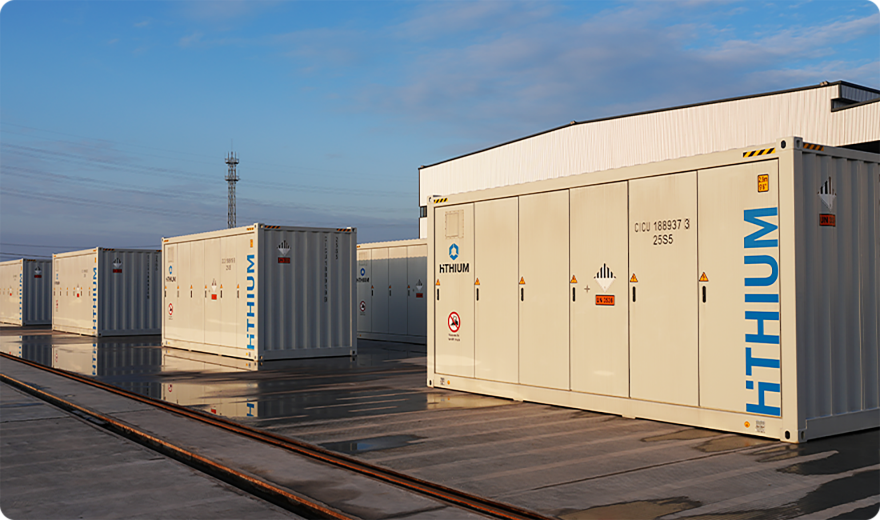
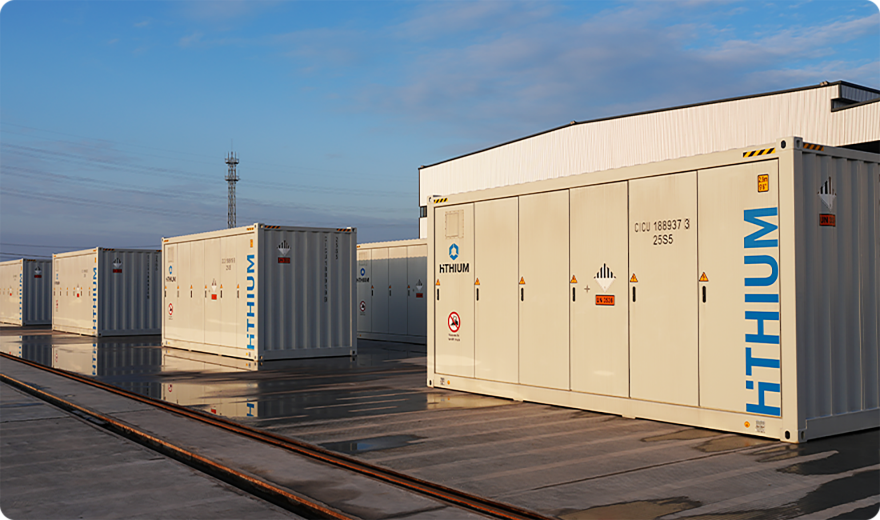
Let me keep it plain. The next leap for containerised systems is not a magic chemistry; it’s tighter integration and predictable behaviour under stress. New LFP prismatic cells with higher cycle counts help, but the real gains come from smarter power converters, better airflow, and BMS rules that adapt without clamping throughput. Systems like hithium battery storage that expose thermal gradients, SoH trends, and PCS limits in clear dashboards cut decision time on site—because you can see what the container is doing, not what the brochure claims. I prefer platforms where the BMS flags cell divergence early and suggests a balancing profile you can schedule in low-tariff hours—saves money, and it saves nerves.
Here’s a concrete compare. In May 2021, we upgraded a coastal site near Hook of Holland from a mixed PCS stack to a unified 5 MW converter with a gentler current ripple. Same LFP class, similar racks, better control. Effective round-trip rose from 90.4% to 93.1%; peak clipping became clean; augmentation was pushed by seven months. The quarter after, the client saved €42,800 in peak fees and earned steadier aFRR bids. Small changes, big effect—because the system stopped fighting itself. We also moved to rack‑level edge computing nodes, streaming raw telemetry. Two false positives on overheating vanished once airflow was re‑balanced; it took one afternoon and four deflectors.
If you want a rule of thumb for the next two years, it’s this: buy the control stack as seriously as the cells. Choose the PCS that handles your duty profile without surprise derates. Check that firmware updates preserve your state‑of‑charge window, not shrink it. And keep thermal spread under 3°C across a rack row—past that, you start paying for it in life and usable power. I sound blunt, I know—yet every time we measure, the same pattern returns.
Advisory Close: Three Checks Before You Sign
1) Verify the effective C‑rate window that maintains a 10‑year life at your climate; ask for the test curves, not a slide. 2) Demand hard limits on thermal variance (target ≤3°C per rack and ≤5°C per container) and the airflow plan to achieve it. 3) Insist on an LCOS model that includes augmentation timing, PCS efficiency at partial load, and spare‑parts SLA in hours. When those three are clear, procurement gets calmer and results hold. That’s been my experience from Friesland winters to Antwerp summers, and I stand by it—because the meter will, too. For the record, I’d make the same checks on any platform, including hithium battery storage, before I sign off. Knowledge first, brand second. HiTHIUM